
Giraffe Centre
Feed endangered Rothschild's giraffes from a raised platform at a centre dedicated to their conservation and education.

Climbing Kilimanjaro
The complete guideRoutes & fitness calculatorWhat to packOur climbs
6-Day Kilimanjaro: Marangu Route7-Day Kilimanjaro: Machame Route6-Day Kilimanjaro: Umbwe Route7-Day Kilimanjaro: Rongai Route7-Day Kilimanjaro: Shira Plateau / Morrum Barrier Route9-Day Kilimanjaro: Lemosho Route4-Day Mount Meru Trek5-Day Ol Doinyo Lengai & Lake Natron Trek10-Day Kilimanjaro Trekking & Wildlife Safari11-Day Kilimanjaro Trekking & Wildlife SafariTour styles
Big 5 Safaris (7)Great Migration Safaris (6)Classic Wildlife Safaris (32)Wildlife-Themed Safaris (8)Fly-in & Luxury Safaris (8)Honeymoon Safaris (6)Mountain Trekking (10)Beach & Zanzibar Holidays (9)Gorilla & Primate Safaris (19)Multi-Country & Combination Safaris (9)Helicopter Safaris (5)Cultural Tours (2)Day Trips (10)Family SafarisCity Tours & Airport TransfersTailor-Made / Custom TripsPlan
All toursTanzania safari guidePlan a custom tripTanzania
All of TanzaniaNational ParksGame ReservesIslandsHistorical SitesMountains & VolcanoesLakes & WaterfallsCities & CoastKenya
All of KenyaNational ParksReserves & ConservanciesMountains & CoastCitiesUganda
All of UgandaNational ParksWildlife ReservesLakes & WaterfallsCities & GatewaysMore
Cultural experiencesLodges & campsAll destinationsKenya Cities
Energetic, green and surprisingly wild, Nairobi is Kenya's capital and the gateway to East Africa's great safaris, the only city in the world with a national park on its doorstep.
Discover Nairobi
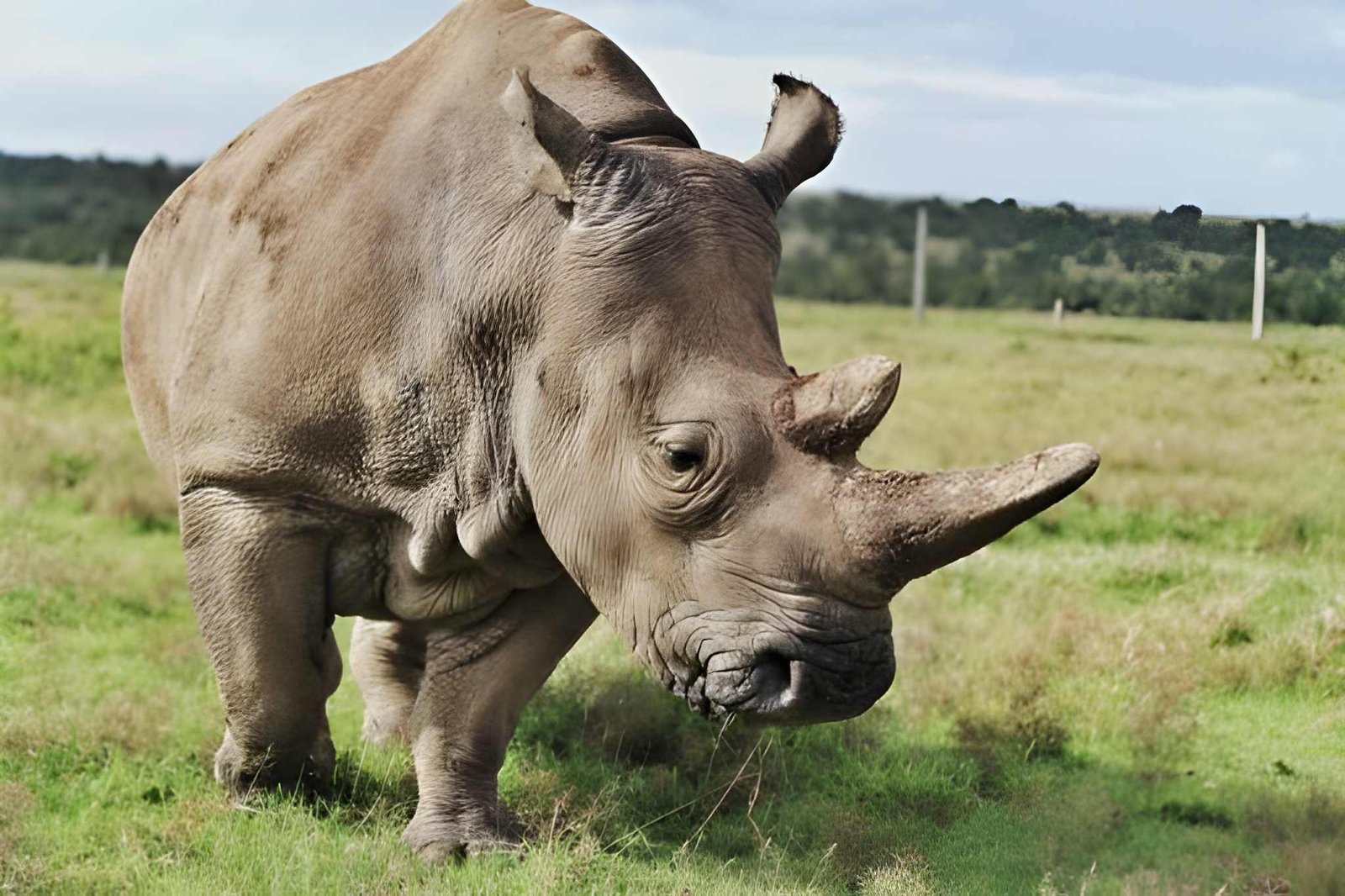
Nairobi is Kenya's capital and largest city, a bustling, energetic place where many of our great journeys begin. From here, travellers set out for Ol Pejeta's rhinos, the Samburu Special Five, the flamingo shores of Lake Nakuru and the Big Five and migration of the Masai Mara, or continue south into Tanzania.
Sitting at around 1,800 m above sea level, Nairobi enjoys a pleasantly mild climate all year. It is a city of leafy suburbs, lively markets, excellent restaurants and a thriving arts scene, with wildlife experiences unlike any other capital: giraffes you can feed by hand, orphaned elephants, and lions and rhinos grazing within sight of the skyline.
Whether you spend a single night before flying on or a full day exploring, Nairobi offers a rewarding introduction to modern Kenya, its history and its conservation success stories.
Why Nairobi
Nairobi's mix of wildlife, culture and history makes a day or two here a highlight in its own right.
Feed endangered Rothschild's giraffes from a raised platform at a centre dedicated to their conservation and education.
Watch baby elephants at the Sheldrick Wildlife Trust nursery being fed and playing in the mud before their return to the wild.
Visit the farmhouse of the author of Out of Africa, set in gardens at the foot of the Ngong Hills.
Explore Kenya's history, culture, art and prehistory, including important early human fossils.
Browse the Maasai Market for beadwork, carvings and fabrics, or visit Kazuri Beads, where local women craft handmade ceramic jewellery.
With two airports and good road links, Nairobi is the perfect launch point for Kenya and northern Tanzania.
Location
Nairobi lies in south-central Kenya, on the edge of the Athi Plains and close to the Great Rift Valley. Jomo Kenyatta International Airport is the main international hub for East Africa, while Wilson Airport handles light aircraft flights to the Masai Mara, Samburu, Amboseli, Laikipia and the coast.
Nairobi is about 270 km from Arusha, roughly 5 to 6 hours by road via the Namanga border, or a short flight. The Masai Mara is around 5 to 6 hours' drive, Ol Pejeta and Mount Kenya 3 to 4 hours, Lake Nakuru about 3 hours, and the Madaraka Express train links the city with Mombasa on the coast.
When to visit
Thanks to its altitude, Nairobi is mild all year, with two dry seasons and two rainy periods.
Warm, sunny days and pleasant evenings, ideal for city sightseeing before a safari.
Afternoon downpours and greener surroundings; sightseeing is still easy between showers.
Cool, dry weather with crisp mornings, the busiest safari season across Kenya.
Brief showers and warm sunshine, with the city lively over the festive season.
Nairobi can be visited year-round, and its weather rarely gets in the way of sightseeing.
Warm and dry, a lovely month for city tours before a safari.
Sunny and warm, one of the most pleasant months of the year.
The long rains begin, with afternoon showers and greener gardens.
The wettest month, though mornings are often bright.
Rains ease and the city's jacarandas and gardens look lush.
Cooler and drier as the main safari season begins.
The coolest month, with crisp mornings and evenings.
Cool and dry, with the city busy with migration travellers.
Dry and comfortable, ideal for combining city sights with a safari.
Warm and dry, with jacaranda trees coming into purple bloom.
Short rains bring brief showers between sunny spells.
Warm, with showers easing and a lively festive atmosphere.
Explore the area
From leafy suburbs to the busy city centre, each part of Nairobi offers something different.

Giraffes and Elephants
Start with the Sheldrick Wildlife Trust nursery, where orphaned baby elephants come in for their late-morning feed and mud bath while keepers share their rescue stories. Then head to the Giraffe Centre to meet endangered Rothschild's giraffes eye to eye.
Finish with lunch in Karen and a visit to the Karen Blixen Museum, or browse for crafts before setting off on safari the next morning.
Safaris to 中文
Kenya and East Africa safaris that begin or end in Nairobi.
Kenya · 11 days
Amboseli · Tsavo West · Tsavo East
Kenya · 12 days
Ol Pejeta Conservancy · Lake Nakuru · Masai Mara · Lake Naivasha

Tell us your arrival date and plans. A GIP Adventure specialist will arrange your airport transfer, Nairobi stay and day tours, and build the safari that follows.
Usually replies within minutesHeritage
Nairobi takes its name from the Maasai phrase Enkare Nairobi, meaning cool water, after a stream that flowed across the area. In 1899 it was established as a supply depot on the Uganda Railway, which ran from Mombasa towards Lake Victoria, and it grew so quickly that it became the capital of British East Africa in the early 20th century.
After Kenya's independence in 1963, Nairobi became the capital of the new nation and has since grown into one of Africa's most important cities, a hub for business, diplomacy and conservation and home to major United Nations offices. Today it is a vibrant, multicultural city that reflects the full diversity of Kenya.
Yes. A day in Nairobi offers unique wildlife experiences such as the Giraffe Centre and Sheldrick elephant nursery, as well as museums and markets.
One or two nights is ideal before or after a safari, giving time for the main sights without rushing.
About 270 km, roughly 5 to 6 hours by road via the Namanga border, or a short flight.
International flights arrive at Jomo Kenyatta International Airport, while most flights to safari camps leave from Wilson Airport.
Like any large city, it is best to take sensible precautions. With our guides and transfers, visitors enjoy the city safely.
Mild all year thanks to its altitude, with warm days, cool evenings and two rainy seasons.
Your safari starts here
Let GIP Adventure welcome you to Nairobi and launch your East African adventure in style.
Chat with usOnline