
The Great Migration
From around July to October, vast herds of wildebeest and zebra graze the Mara's plains and make their famous crossings of the Mara River.

Climbing Kilimanjaro
The complete guideRoutes & fitness calculatorWhat to packOur climbs
6-Day Kilimanjaro: Marangu Route7-Day Kilimanjaro: Machame Route6-Day Kilimanjaro: Umbwe Route7-Day Kilimanjaro: Rongai Route7-Day Kilimanjaro: Shira Plateau / Morrum Barrier Route9-Day Kilimanjaro: Lemosho Route4-Day Mount Meru Trek5-Day Ol Doinyo Lengai & Lake Natron Trek10-Day Kilimanjaro Trekking & Wildlife Safari11-Day Kilimanjaro Trekking & Wildlife SafariTour styles
Big 5 Safaris (7)Great Migration Safaris (6)Classic Wildlife Safaris (32)Wildlife-Themed Safaris (8)Fly-in & Luxury Safaris (8)Honeymoon Safaris (6)Mountain Trekking (10)Beach & Zanzibar Holidays (9)Gorilla & Primate Safaris (19)Multi-Country & Combination Safaris (9)Helicopter Safaris (5)Cultural Tours (2)Day Trips (10)Family SafarisCity Tours & Airport TransfersTailor-Made / Custom TripsPlan
All toursTanzania safari guidePlan a custom tripTanzania
All of TanzaniaNational ParksGame ReservesIslandsHistorical SitesMountains & VolcanoesLakes & WaterfallsCities & CoastKenya
All of KenyaNational ParksReserves & ConservanciesMountains & CoastCitiesUganda
All of UgandaNational ParksWildlife ReservesLakes & WaterfallsCities & GatewaysMore
Cultural experiencesLodges & campsAll destinationsKenya Reserves & Conservancies
Rolling golden plains, lone acacias and herds stretching to the horizon: the Masai Mara is where the Great Migration plunges across the Mara River and Africa's big cats rule the grasslands.
Discover the Masai Mara
The Masai Mara National Reserve is one of the most popular and celebrated wildlife destinations in Kenya. It lies in southwest Kenya in Narok County, along the Great Rift Valley, and borders Tanzania's Serengeti National Park, forming the northern part of the same great ecosystem. The reserve is named in honour of its ancestral inhabitants, the Maasai people, who described the area as Mara, meaning spotted, for the circles of trees, savanna, scrub and cloud shadows that mark its plains.
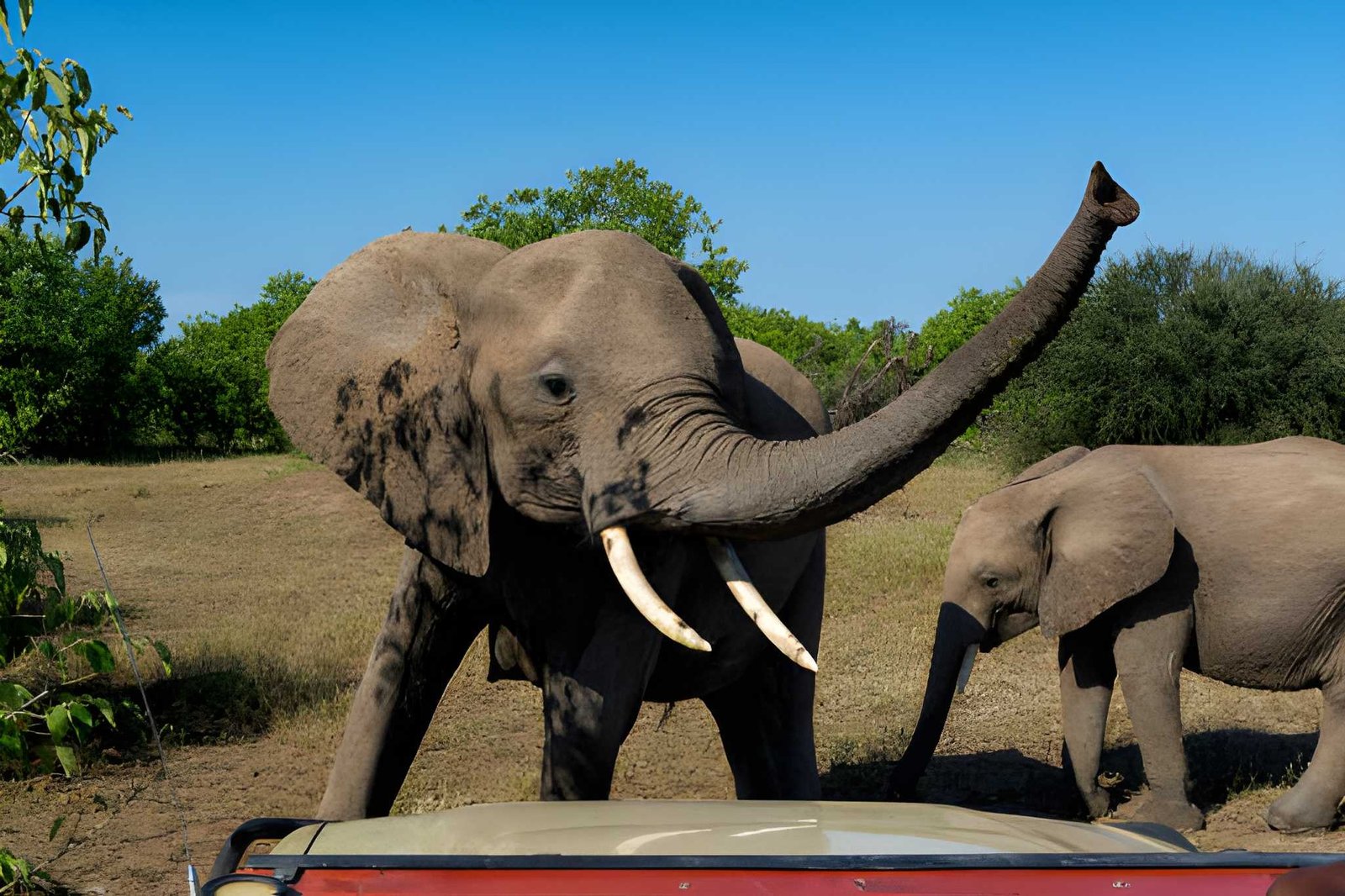
This beautiful sanctuary teems with vibrant wildlife. Each year, as part of the Great Wildebeest Migration, over a million wildebeest, together with zebras and gazelles, arrive from the Serengeti and cross the Mara River in a dramatic struggle for survival, braving the gargantuan and ravenous Nile crocodiles waiting in the water. The Mara is a Big Five haven, where large parades of African elephants, prides of lions, herds of buffalo, elusive leopards and rhinos can all be found.
It is also a bird paradise, with over 400 species recorded. Beyond the game drives, travellers can enjoy nature walks and cultural visits to Maasai villages in the surrounding conservancies, explore the sweeping, picturesque plains and visit the Narok Museum on the way in, to learn more about the Maasai and the region.
Why the Masai Mara
The Mara combines extraordinary predator viewing, the drama of the migration and a living Maasai culture in one of the most beautiful landscapes in Africa.
From around July to October, vast herds of wildebeest and zebra graze the Mara's plains and make their famous crossings of the Mara River.
The Mara is renowned for lions, leopards and cheetahs, and big-cat sightings are a highlight of almost every game drive.
Elephants, buffalo, lions and leopards are widely seen, and rhinos survive in the reserve, especially in the Mara Triangle.
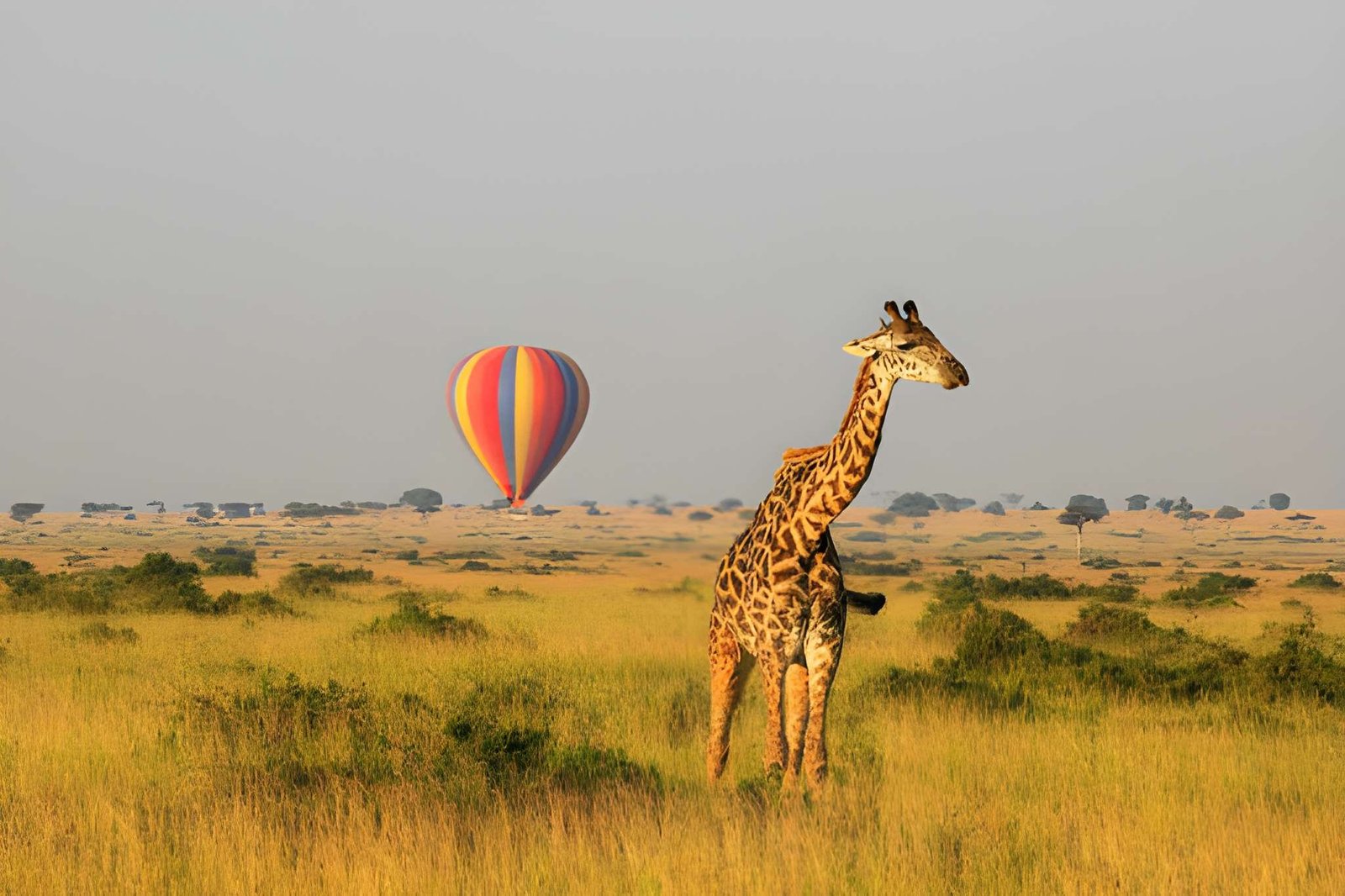
Drift over the plains at dawn as the herds spread out below, followed by a champagne bush breakfast.
Neighbouring Maasai conservancies offer exclusive game drives, walking safaris, night drives and horseback safaris with limited vehicles.
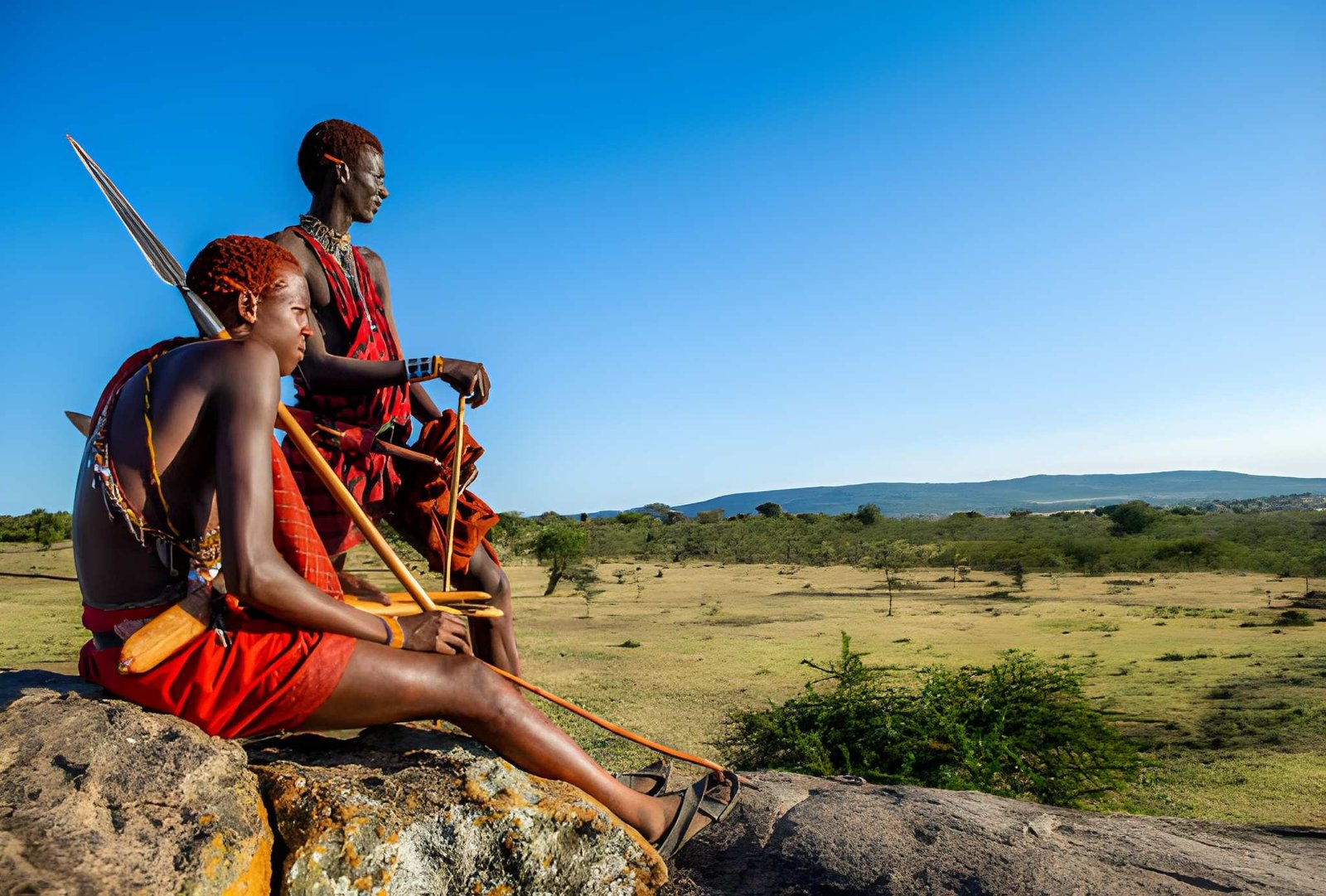
Meet the Maasai in their villages and conservancies, and learn how their way of life is intertwined with the land and its wildlife.
Location
The Masai Mara lies in southwest Kenya, in Narok County, about 270 km west of Nairobi. The drive takes around 5 to 6 hours via Narok town, descending into the Great Rift Valley along the way, and is often broken with a night at Lake Naivasha or Lake Nakuru. Scheduled flights from Nairobi's Wilson Airport reach the many airstrips in the reserve and conservancies in about 45 minutes to an hour.
Although the Mara borders Tanzania's Serengeti, there is no regular tourist border crossing between the two parks. From Arusha, travellers usually fly to Nairobi or drive via the Namanga border to Nairobi (about 270 km, 5 to 6 hours) and continue from there, or link the northern Serengeti and the Mara with flights via Kilimanjaro or Nairobi. Another road option is the Isebania–Sirari border near Lake Victoria.
When to visit
Resident wildlife makes the Mara excellent all year, but the timing of the migration shapes the experience.
The herds are in the Mara and river crossings are possible, with outstanding predator action. The busiest and most popular time to visit.
The herds head back south to the Serengeti. Showers green the plains, visitor numbers fall and resident game remains excellent.
Warm weather and fine game viewing, with many young animals among the resident herds and good big-cat sightings.
The wettest months, with lush grass and very few visitors. Some roads become muddy, but wildlife viewing remains rewarding.
July to October is famous for the migration, but every month offers superb wildlife in the Mara.
Warm and fairly dry, with excellent big-cat viewing and quieter roads.
Good game viewing, with young animals among the resident herds.
Dry and warm before the rains, with great value and few vehicles.
The long rains bring lush green plains and very few visitors.
Often wet, but the landscape is beautiful and wildlife remains plentiful.
The rains ease and the first migratory herds may begin to approach from the south.
The migration arrives and the first Mara River crossings often begin.
Peak migration month, with huge herds and frequent dramatic river crossings.
Superb migration viewing and crossings, with intense predator activity.
The herds are still in the Mara, with crossings possible before they turn south.
Short rains begin and the herds start moving back to the Serengeti.
Green and peaceful, with excellent resident game and festive-season safaris.
Explore the area
From the river crossings to the private conservancies, each part of the greater Mara offers a different safari experience.
Wildlife
The Masai Mara teems with vibrant wildlife species. Large parades of African elephants, prides of lions, herds of savanna buffalo and elusive leopards are seen across the reserve, and rhinos survive in smaller numbers, mostly in the Mara Triangle. Cheetahs hunt the open plains, while hyenas, jackals and bat-eared foxes are common.
The Mara River and its tributaries hold hippos and the gargantuan Nile crocodiles that lie in wait during the migration. Topis, giraffes, impalas, gazelles, elands and warthogs are everywhere, and the Mara is a bird paradise with over 400 species recorded, from ostriches and secretary birds to vultures and lilac-breasted rollers.
Where to look: Throughout, especially Musiara Marsh and the Talek
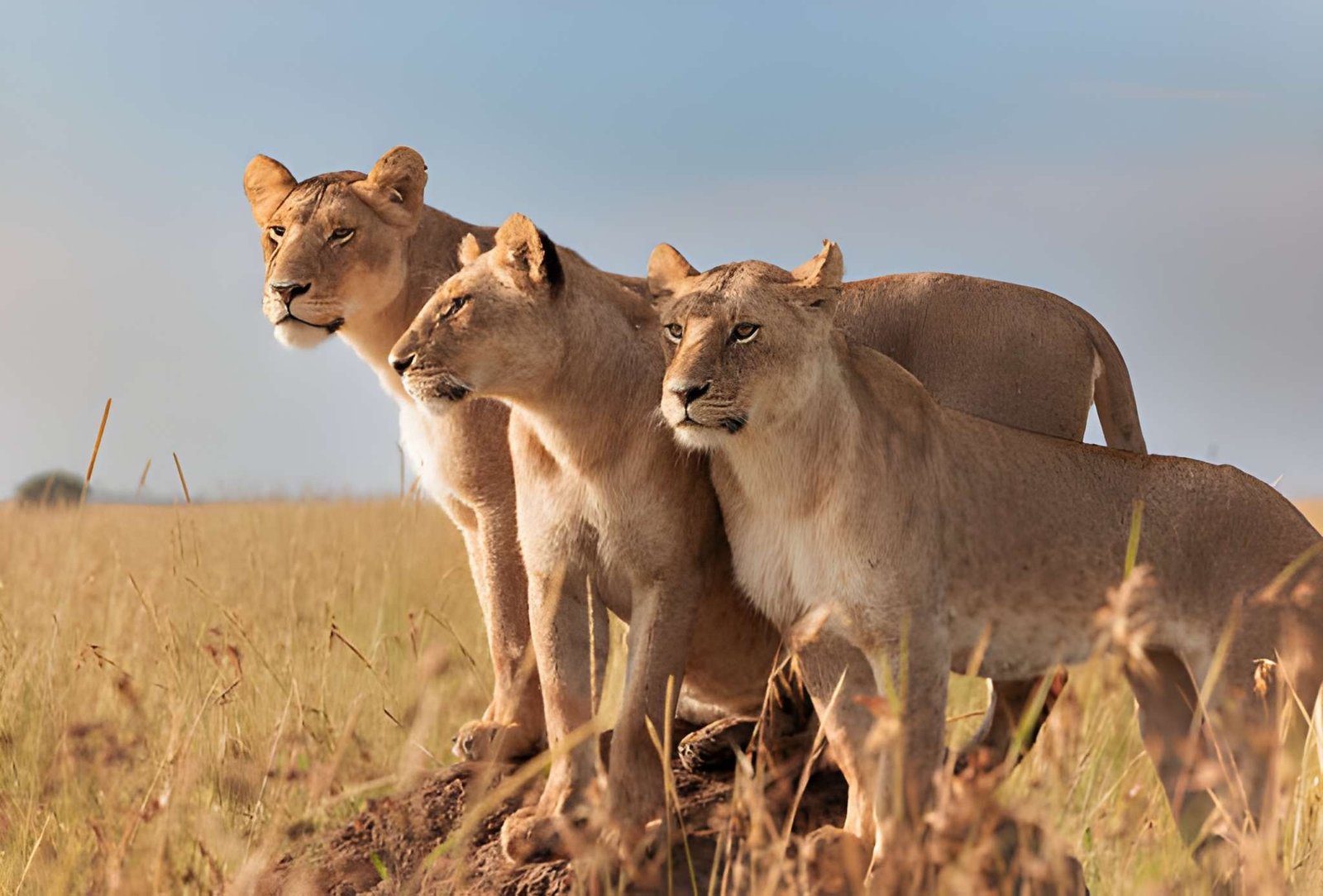
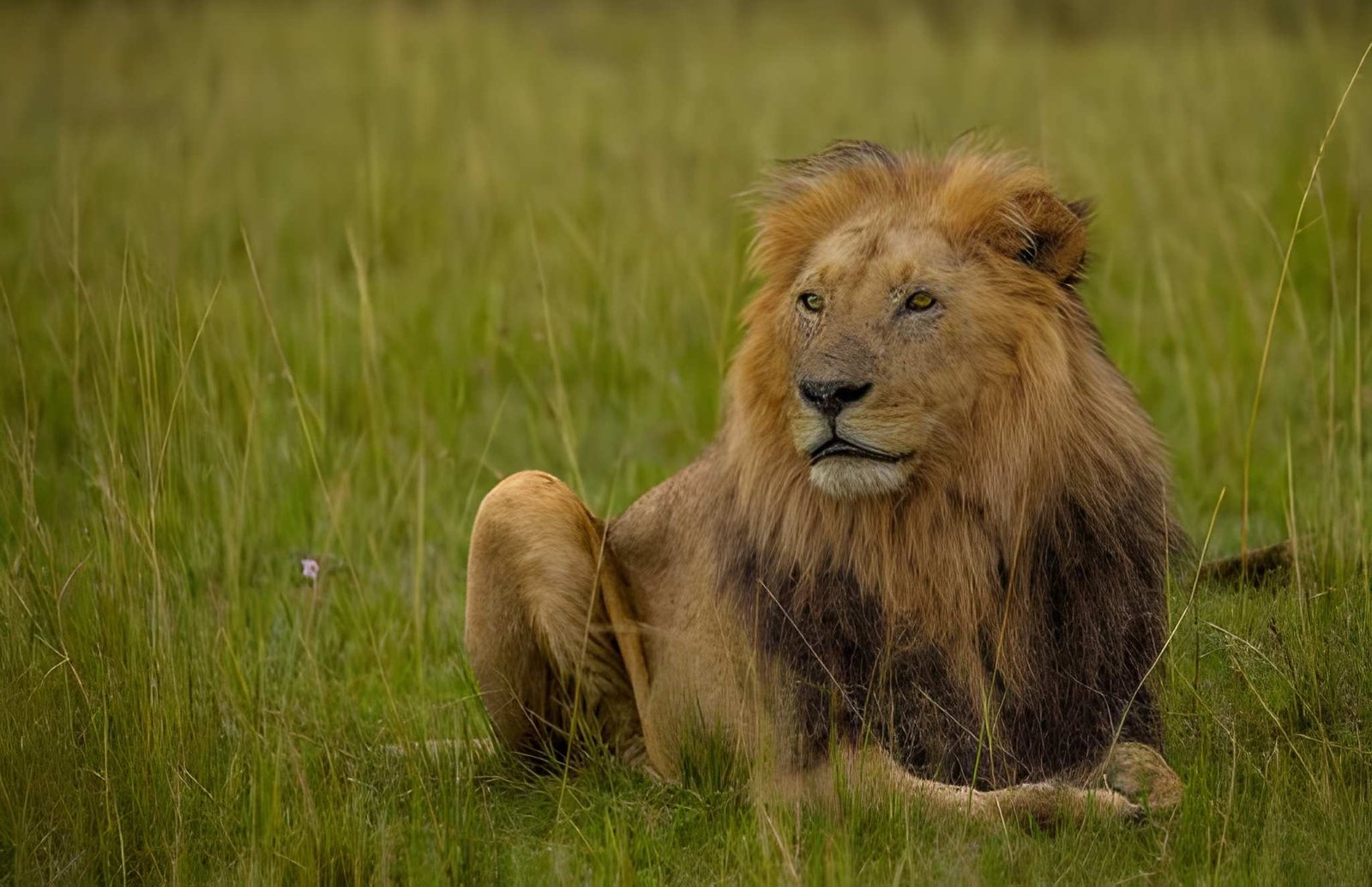
The Mara has some of the densest lion populations in Africa, with large, well-known prides.
Where to look: Across the plains, July to October
Over a million arrive with the migration, filling the plains and crossing the Mara River.
Where to look: Riverine forest and rocky outcrops
The Mara offers excellent chances of leopard, often along the rivers and luggas.
Where to look: Open plains, especially the east and conservancies
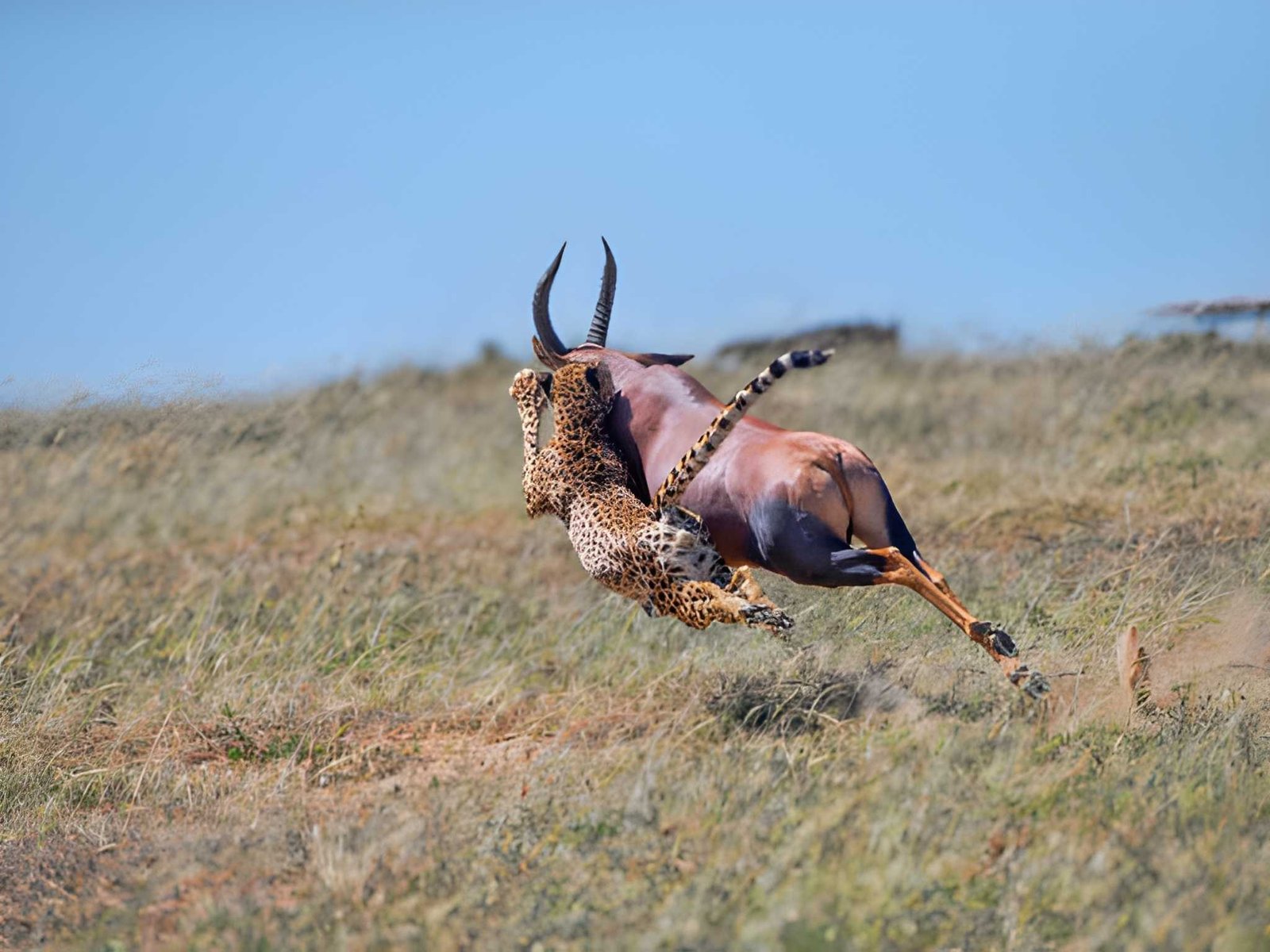
The open grasslands are ideal for watching cheetahs hunt.
Where to look: Woodland, plains and conservancies
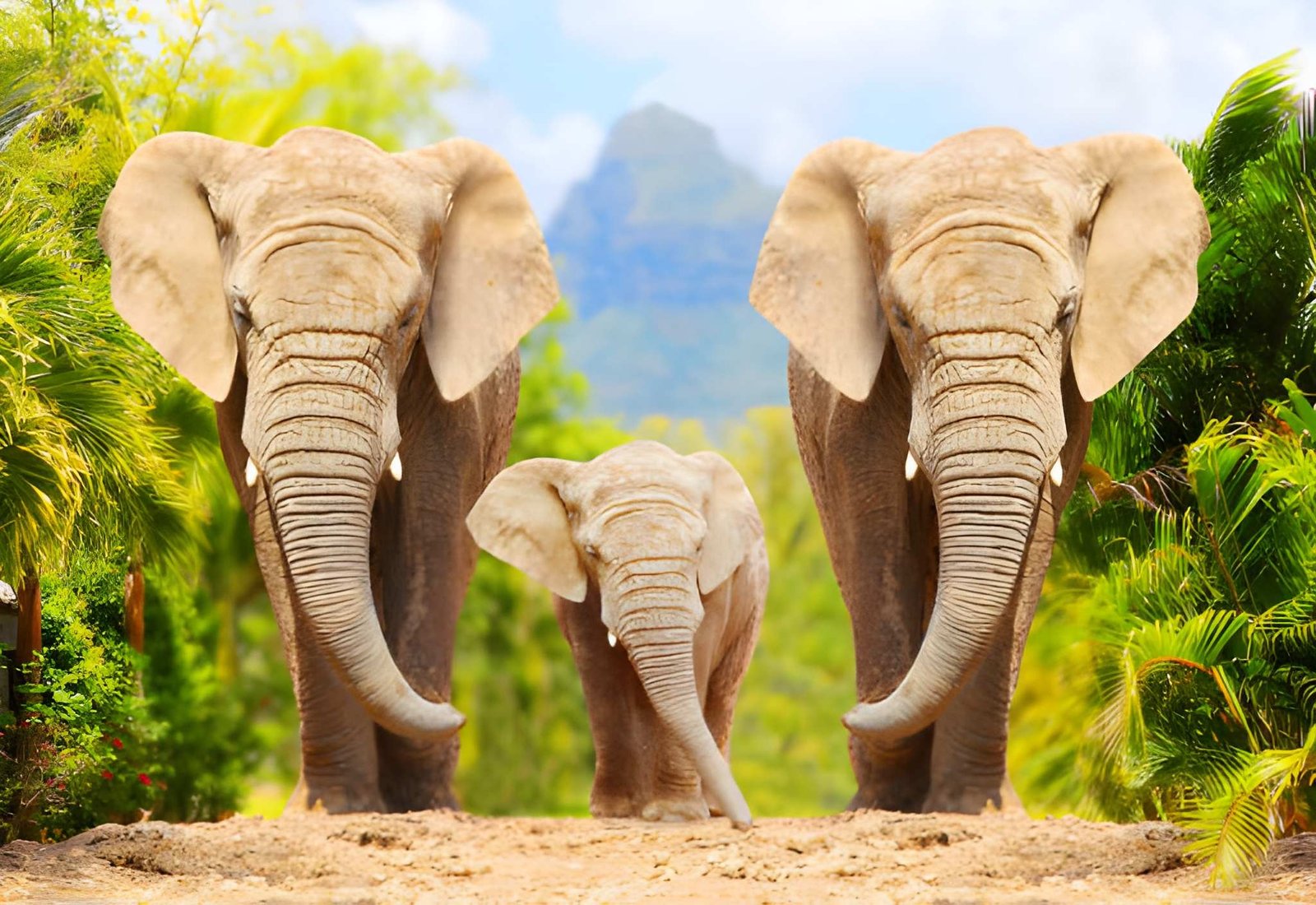
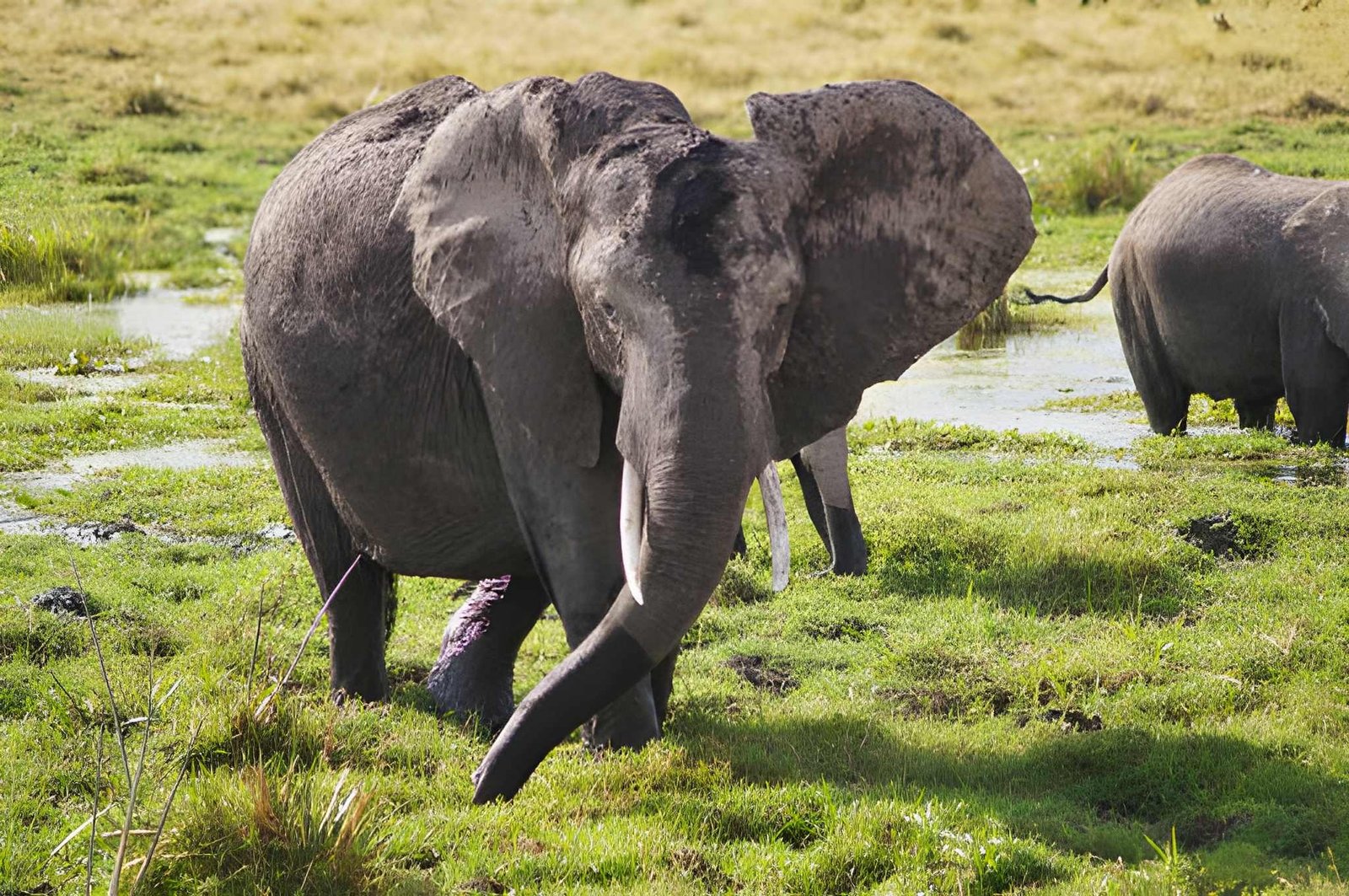
Family herds are common throughout the reserve and conservancies.
Where to look: Marshes and plains
Large herds graze near water and along the marshes.
Where to look: Mara Triangle and thick bush
Present in small numbers; seeing one takes patience and luck.
Where to look: Mara River
Huge crocodiles wait at the crossing points for the migrating herds.
Where to look: Mara and Talek rivers
Large pods crowd the river pools, especially in the dry season.
Where to look: Across the plains
Plains zebras accompany the wildebeest and are present year-round.
Where to look: Open grassland
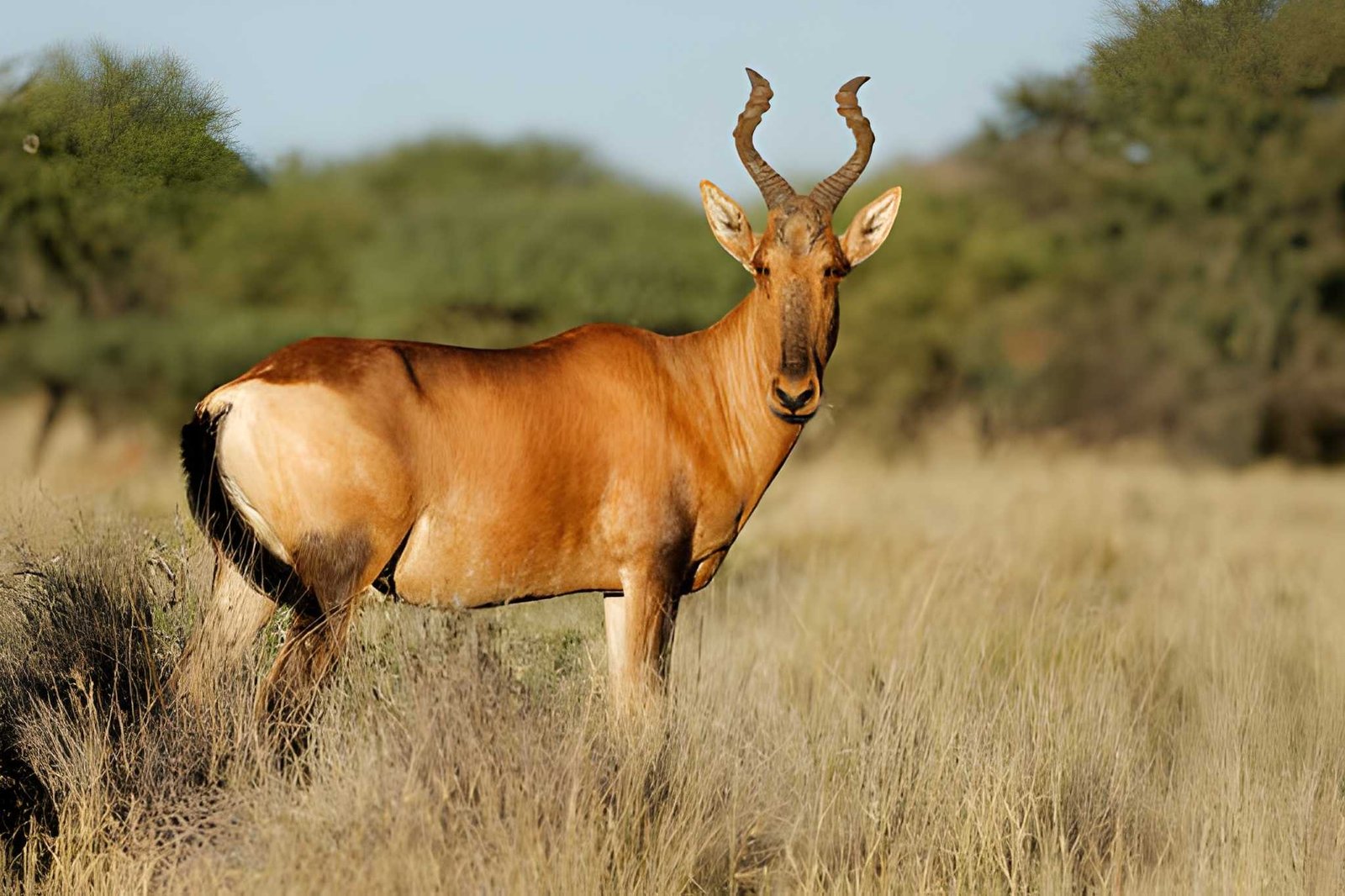
A Mara signature, often seen standing sentry on termite mounds.
Where to look: Plains and around kills
Common and active, especially at dawn and dusk.

Mara River Crossings
From around July to October, the migrating herds gather on the banks of the Mara River, hesitating for hours before the first animals leap into the water. Thousands follow in a surging torrent of dust and spray, battling the current and running the gauntlet of the gargantuan Nile crocodiles waiting below, while lions and hyenas watch from the far bank.
Crossings can happen at several well-known points along the river, in both the Mara Triangle and the main reserve, and the herds may cross back and forth several times. Patience is key, and an experienced guide who knows where the herds are gathering makes all the difference.
Safaris to 中文
Itineraries that include the Masai Mara, often combined with Lake Nakuru, Lake Naivasha, Amboseli and the Serengeti.
Kenya · 7 days
Amboseli · Lake Naivasha · Masai Mara
Kenya · 8 days
Amboseli · Lake Naivasha · Lake Nakuru · Masai Mara
Kenya · 7 days
Ol Pejeta Conservancy · Lake Nakuru · Masai Mara
Kenya · 8 days
Amboseli · Lake Naivasha · Masai Mara
Kenya · 10 days
Samburu National Reserve · Ol Pejeta Conservancy · Lake Nakuru · Masai Mara
Kenya · 6 days
Masai Mara · Lake Nakuru
Kenya · 8 days
Ol Pejeta Conservancy · Lake Nakuru · Masai Mara
Kenya · 8 days
Samburu National Reserve · Ol Pejeta Conservancy · Lake Nakuru · Masai Mara
Kenya · 9 days
Aberdare · Ol Pejeta Conservancy · Lake Nakuru · Masai Mara

Tell us when you would like to travel and what you would love to see. A GIP Adventure specialist will time your Masai Mara safari for the migration or the quieter seasons, and combine it with the rest of Kenya or the Serengeti.
Usually replies within minutesHeritage
For centuries the Maasai have lived alongside the wildlife of the Mara, grazing their cattle on its grasslands and moving with the seasons. Their name for the land, Mara, meaning spotted, describes the patchwork of trees, scrub and cloud shadows across the plains. The Narok Museum, in the gateway town of Narok, tells the story of the Maasai and other communities of the region.
The area was first protected as a wildlife sanctuary in 1961 and later became a national reserve. Unlike Kenya's national parks, it is managed by county authorities, with the Mara Triangle run by a not-for-profit conservancy. Since the early 2000s, Maasai landowners around the reserve have created private conservancies, leasing land to tourism partners. These conservancies protect wildlife corridors, limit vehicle numbers and provide income for local families.
Usually July to October, when the herds are in the Mara. River crossings are most frequent around August and September, though timings vary with the rains.
No. Crossings depend on the herds' movements and can happen at any time of day. Spending several days in the Mara gives you the best chance.
About 270 km, or 5 to 6 hours by road, or about 45 minutes to an hour by light aircraft.
Yes, usually via Nairobi by road through the Namanga border or by air. There is no regular tourist crossing directly from the Serengeti.
The national reserve is open to all visitors, while private conservancies limit vehicle numbers and allow activities such as walking safaris and night drives.
Yes. Lions, leopards, elephants and buffalo are seen regularly, and black rhinos are present in smaller numbers.
Three nights is ideal, especially in migration season, to allow for river crossings, big cats and a balloon safari.
Your safari starts here
Let GIP Adventure plan a Masai Mara safari that puts you on the banks of the Mara River at the perfect moment.
Chat with usOnline