
Rhino Sanctuary
Lake Nakuru is home to more than 100 black and white rhinos, giving you one of the best chances in East Africa to see both species.

Climbing Kilimanjaro
The complete guideRoutes & fitness calculatorWhat to packOur climbs
6-Day Kilimanjaro: Marangu Route7-Day Kilimanjaro: Machame Route6-Day Kilimanjaro: Umbwe Route7-Day Kilimanjaro: Rongai Route7-Day Kilimanjaro: Shira Plateau / Morrum Barrier Route9-Day Kilimanjaro: Lemosho Route4-Day Mount Meru Trek5-Day Ol Doinyo Lengai & Lake Natron Trek10-Day Kilimanjaro Trekking & Wildlife Safari11-Day Kilimanjaro Trekking & Wildlife SafariTour styles
Big 5 Safaris (7)Great Migration Safaris (6)Classic Wildlife Safaris (32)Wildlife-Themed Safaris (8)Fly-in & Luxury Safaris (8)Honeymoon Safaris (6)Mountain Trekking (10)Beach & Zanzibar Holidays (9)Gorilla & Primate Safaris (19)Multi-Country & Combination Safaris (9)Helicopter Safaris (5)Cultural Tours (2)Day Trips (10)Family SafarisCity Tours & Airport TransfersTailor-Made / Custom TripsPlan
All toursTanzania safari guidePlan a custom tripTanzania
All of TanzaniaNational ParksGame ReservesIslandsHistorical SitesMountains & VolcanoesLakes & WaterfallsCities & CoastKenya
All of KenyaNational ParksReserves & ConservanciesMountains & CoastCitiesUganda
All of UgandaNational ParksWildlife ReservesLakes & WaterfallsCities & GatewaysMore
Cultural experiencesLodges & campsAll destinationsKenya National Parks
Pink-hued flamingos on a shimmering soda lake, rhinos grazing beneath steep escarpments and leopards in yellow fever-tree forest: Lake Nakuru packs extraordinary wildlife into one compact Rift Valley park.
Discover Lake Nakuru
Lake Nakuru National Park is one of Kenya's best premium national parks, set on the floor of the Great Rift Valley. Its beautiful scenery takes in breathtaking Rift Valley escarpments, steep rocky cliffs, dense forests and superb viewpoints that look out over the lake and its shoreline.
At its heart lies Lake Nakuru, one of the Rift Valley's soda lakes. It is a birds' paradise, famed for its excellent birdlife and above all for the pink-hued flamingos that gather along its shores. The park is also a habitat for more than 100 endangered black and white rhinos, as well as the endangered Rothschild's giraffe, alongside buffalo, lions, leopards and many other species that roam and rule the park.
Because the park is fully fenced and relatively compact, wildlife viewing is rewarding even on a short visit, and Nakuru is one of the best places in Kenya to see both species of rhino on the same game drive.
Why Lake Nakuru
Rhinos, flamingos and rare giraffes in a dramatic Rift Valley setting make Lake Nakuru one of the most rewarding stops on any Kenya safari.
Lake Nakuru is home to more than 100 black and white rhinos, giving you one of the best chances in East Africa to see both species.
The soda lake attracts flamingos and pelicans, and over 450 bird species have been recorded across the park's lake, forest and grassland.
An important population of the endangered Rothschild's giraffe lives here, easily seen browsing among the acacias.
The yellow fever-tree forests are a known haunt of leopards, and lions are sometimes seen resting in the branches.
Baboon Cliff, Lion Hill and the Out of Africa lookout offer sweeping views over the lake, the escarpments and the Rift Valley.
Lake Nakuru fits naturally between Nairobi, Lake Naivasha, the Masai Mara and the north of Kenya.
Location
Lake Nakuru National Park sits on the floor of the Great Rift Valley in central Kenya, right beside the city of Nakuru. It is about 160 km northwest of Nairobi, a drive of around 2.5 to 3 hours, and about 70 km beyond Lake Naivasha. The Masai Mara is roughly 5 hours' drive to the southwest, and Samburu is about 5 to 6 hours to the north.
From Arusha, travellers cross into Kenya at the Namanga border and continue to Nairobi (about 270 km, 5 to 6 hours), then on to Nakuru the same or following day. Most visitors arrive by road as part of a circuit; Jomo Kenyatta International Airport in Nairobi is the nearest major international gateway.
When to visit
Nakuru is a year-round park. The dry months are easiest for game drives, while the wetter months bring lush scenery and migrant birds.
Excellent game viewing on dry tracks, clear views over the lake and some of the best months to look for rhinos and leopards.
Brief showers refresh the park and migratory birds arrive, adding to the resident birdlife around the lake.
Warm and generally dry, with good wildlife viewing and comfortable weather for viewpoints and picnics.
The wettest period, with green scenery, fewer visitors and some muddy tracks, but game viewing remains good in this compact park.
Wildlife stays in the park all year, so the best month depends on whether you prefer dry roads or lush landscapes and migrant birds.
Warm and dry, with excellent rhino viewing and plenty of birds on the shoreline.
One of the driest months, ideal for game drives and views from Baboon Cliff.
Generally dry and warm before the long rains, with good photography light.
Long rains bring greenery and quiet roads, though some tracks can be slippery.
Rains begin to ease and the forests and grasslands look their freshest.
The dry season returns, with clear days and rewarding drives around the lake.
Cool and dry, a popular month that pairs perfectly with the Masai Mara migration.
Excellent wildlife viewing, with rhinos, buffalo and giraffes easy to find.
Dry and pleasant, with good chances of leopard in the fever-tree forest.
Warm and settled, with fewer visitors before the short rains arrive.
Short rains freshen the park as migratory birds arrive in numbers.
Green scenery and rich birdlife, with good game viewing between the showers.
Explore the area
From the lakeshore to the cliffs and waterfalls, Nakuru's compact size hides a surprising variety of landscapes.
Wildlife
Lake Nakuru is a fenced sanctuary for some of Kenya's most precious wildlife. Black and white rhinos are the headline attraction, with more than 100 living in the park, and the endangered Rothschild's giraffe thrives among the acacias. Buffalo, waterbuck, zebra, impala, eland and gazelles are common, and lions and leopards are regularly seen, sometimes resting in trees.
The lake is a magnet for birds. Flamingo numbers vary greatly from year to year depending on the water level and the algae they feed on, but pelicans, marabou storks, African fish eagles and hundreds of other species make Nakuru a superb birding destination in every season.
Where to look: Southern grasslands and lakeshore
Grazing white rhinos are seen on most game drives, often in small groups on the open grassland.
Where to look: Thicket edges and woodland
Shyer than the white rhino, but Nakuru offers one of Kenya's best chances to see this endangered browser.
Where to look: Acacia woodland and fever-tree forest
One of the rarest giraffe subspecies, recognisable by its white 'stockinged' lower legs.
Where to look: Lake shoreline
Lesser and greater flamingos gather on the lake, with numbers rising and falling with conditions.
Where to look: Lion Hill and woodland around the lake
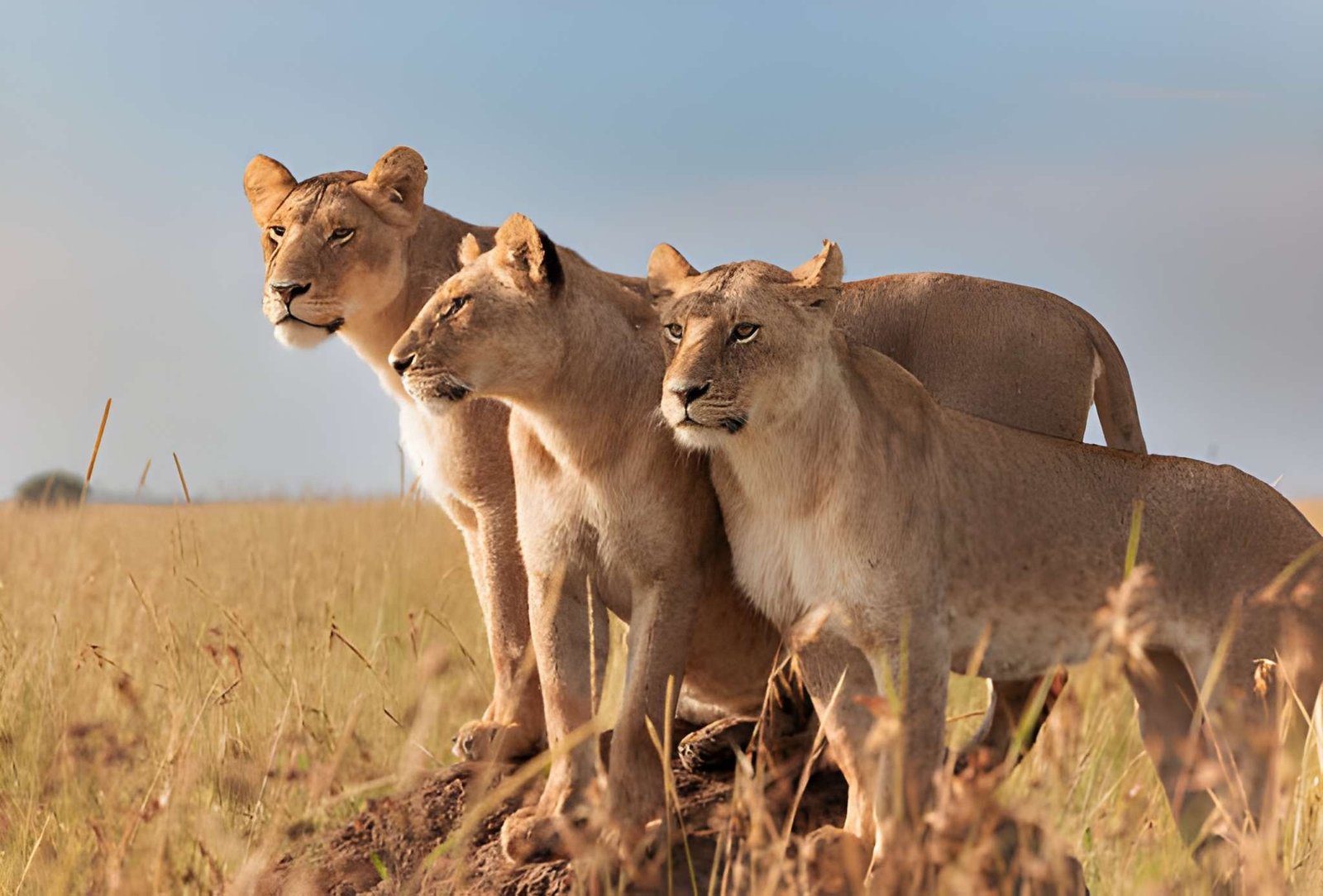
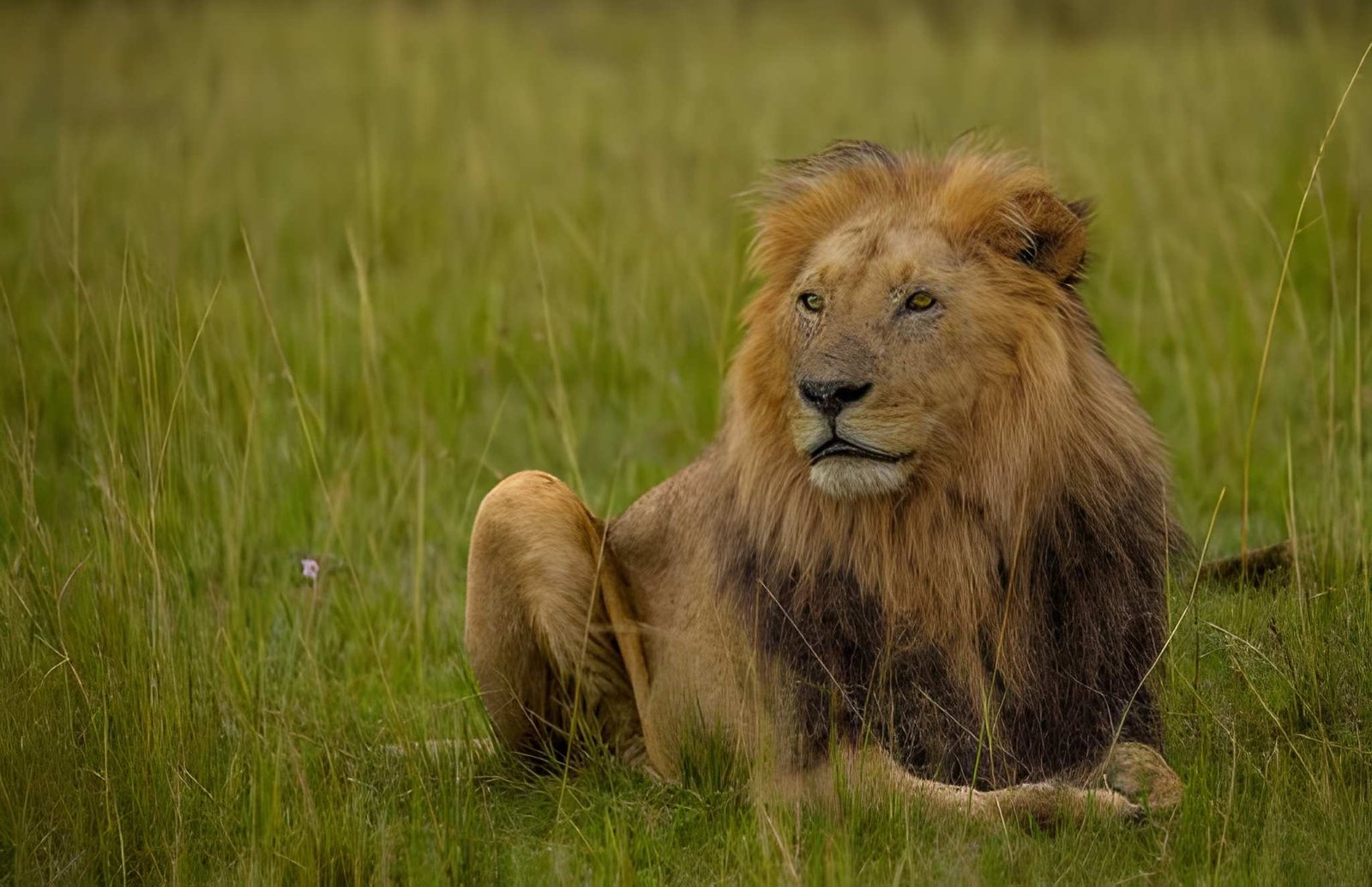
Prides are regularly seen, occasionally lounging in the branches of acacia trees.
Where to look: Fever-tree forest and rocky ridges
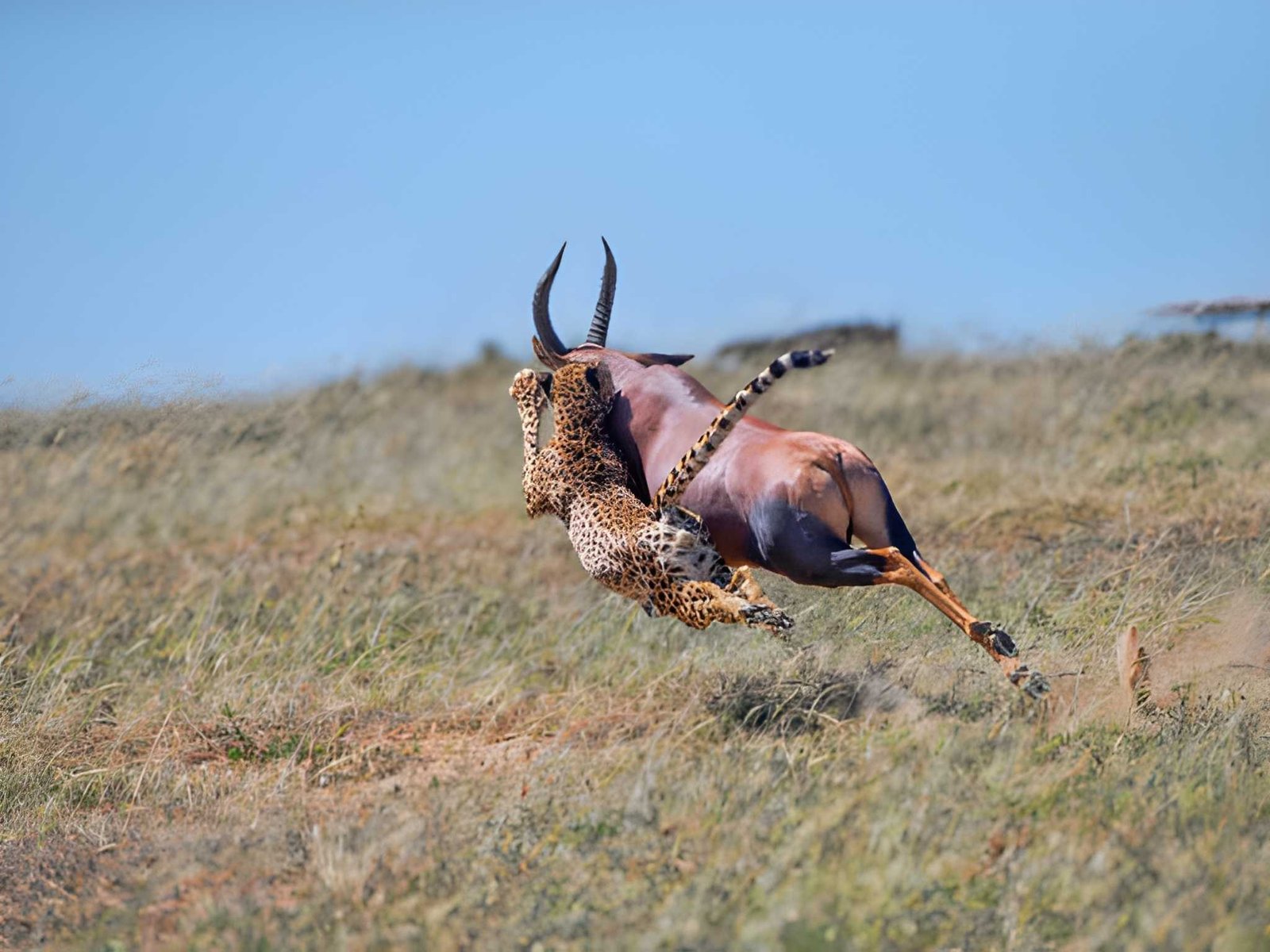
Nakuru has a good reputation for leopard sightings, especially in the yellow fever-tree woodland.
Where to look: Lakeshore grassland
Large herds graze close to the water and are almost guaranteed on every drive.
Where to look: Lakeshore and grassland
Common and photogenic, the Defassa waterbuck is a familiar sight along the shores.
Where to look: Lake and river mouths
Pelicans fish in groups on the lake and gather in large numbers along the shoreline.
Where to look: Forested areas and fever trees
Seen leaping through the forest canopy with flowing black and white coats.
Where to look: Northern lake shore
A small population lives in the lake, best looked for near the hippo point on the northern shore.
Where to look: Baboon Cliff and woodland
Troops are common throughout the park and especially around the cliffs and viewpoints.

Rhinos of Lake Nakuru
Few parks in Africa offer such reliable rhino viewing. Lake Nakuru was established as a rhino sanctuary within a fenced park, and today more than 100 black and white rhinos live here. White rhinos graze in the open grassland, while black rhinos browse the thicket edges, so a single morning can reward you with both.
Combine the rhinos with Rothschild's giraffe, buffalo herds along the shore and the chance of a leopard in the fever trees, and Nakuru becomes one of the most rewarding half-day or full-day safaris in Kenya.
Safaris to 中文
Itineraries that include Lake Nakuru, often combined with Lake Naivasha, the Masai Mara, Samburu and Amboseli.
Kenya · 8 days
Amboseli · Lake Naivasha · Lake Nakuru · Masai Mara
Kenya · 7 days
Ol Pejeta Conservancy · Lake Nakuru · Masai Mara
Kenya · 10 days
Samburu National Reserve · Ol Pejeta Conservancy · Lake Nakuru · Masai Mara
Kenya · 6 days
Masai Mara · Lake Nakuru
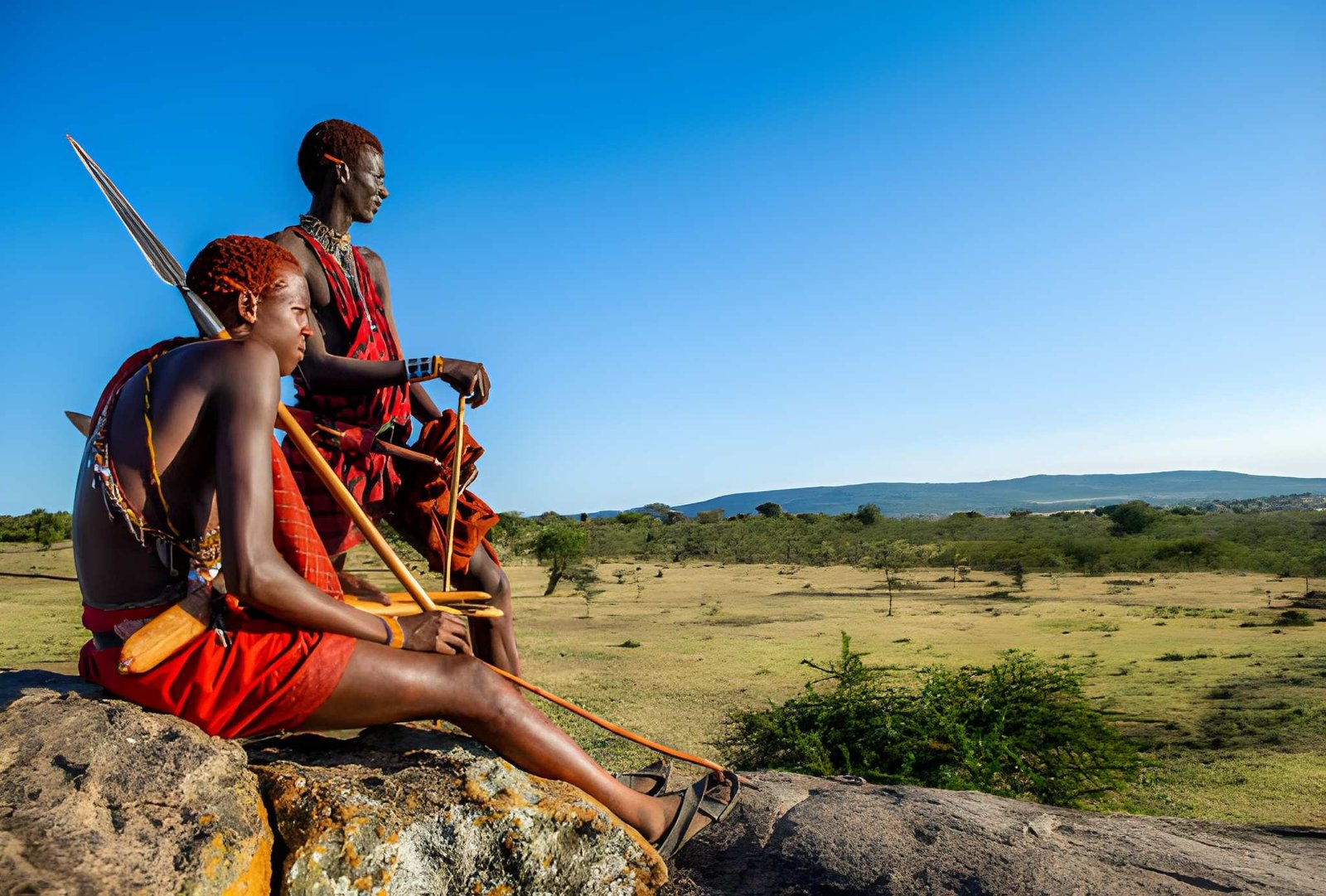
Kenya · 8 days
Ol Pejeta Conservancy · Lake Nakuru · Masai Mara
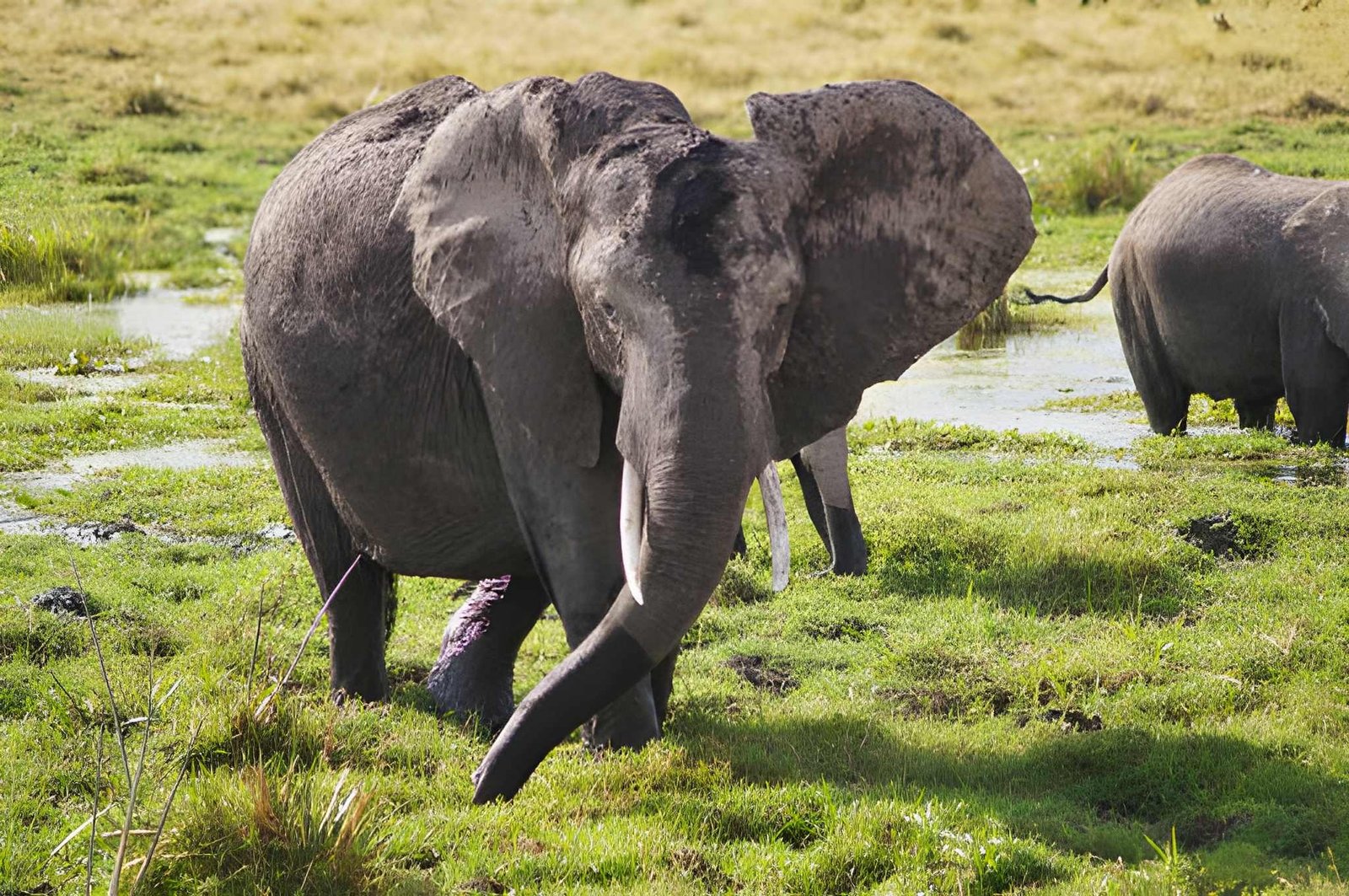
Kenya · 8 days
Samburu National Reserve · Ol Pejeta Conservancy · Lake Nakuru · Masai Mara
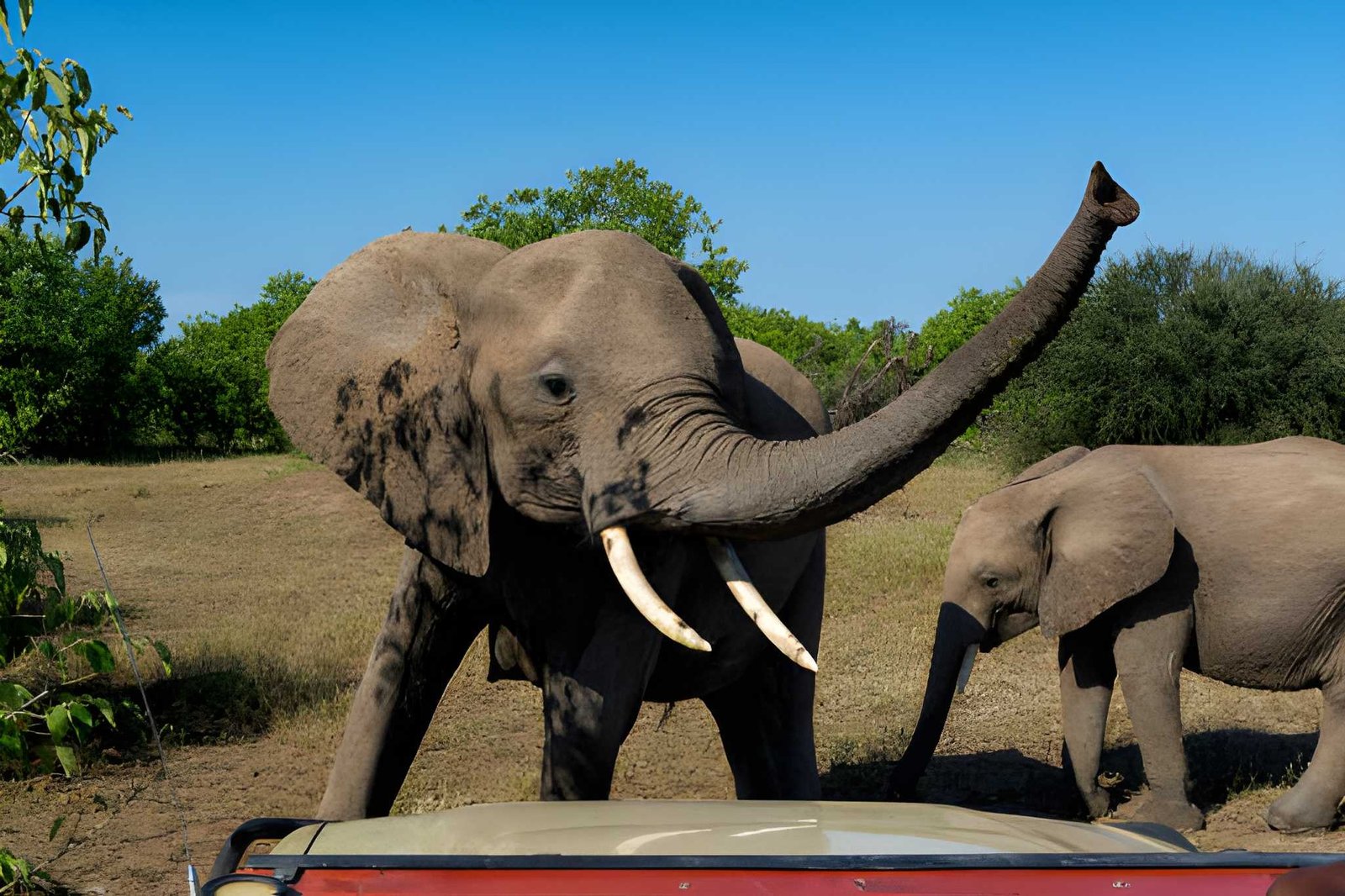
Kenya · 9 days
Aberdare · Ol Pejeta Conservancy · Lake Nakuru · Masai Mara
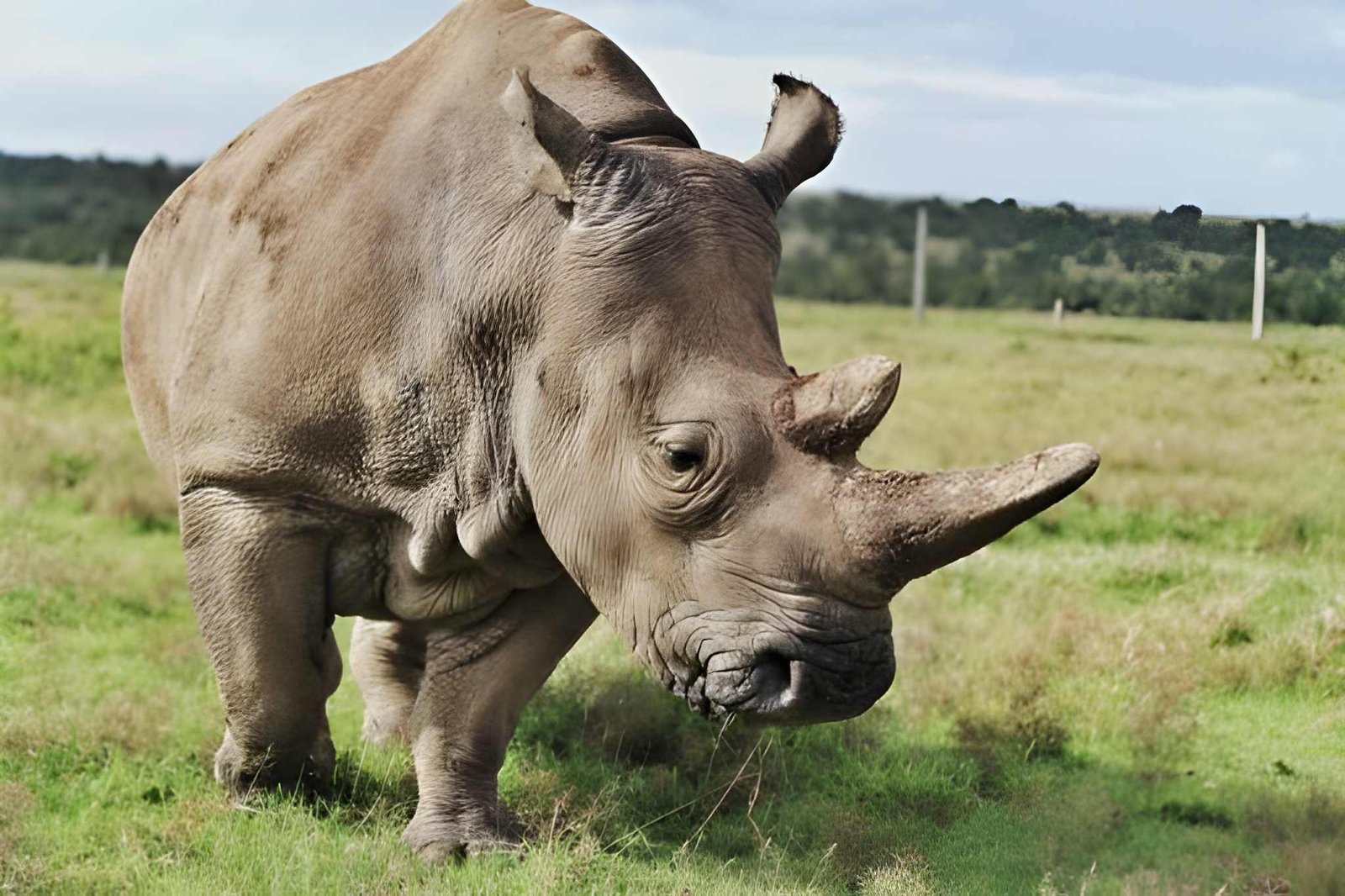
Kenya · 11 days
Aberdare · Ol Pejeta Conservancy · Lake Nakuru · Masai Mara
Kenya · 12 days
Ol Pejeta Conservancy · Lake Nakuru · Masai Mara · Lake Naivasha
Tell us how long you have and what you would love to see. A GIP Adventure specialist will build a Kenya itinerary that pairs Lake Nakuru's rhinos with Naivasha, the Masai Mara and beyond.
Usually replies within minutesHeritage
Lake Nakuru was first protected as a bird sanctuary in 1960 and later became a national park, recognised for the vast flocks of flamingos that once turned its shores pink. In the 1980s it became one of Kenya's first fenced rhino sanctuaries, and its success has helped restock other parks across the country. Rothschild's giraffes were introduced to help secure this endangered subspecies.
The lake is a Ramsar wetland and part of the Kenya Lake System in the Great Rift Valley, a UNESCO World Heritage Site that also includes Lake Bogoria and Lake Elementaita. In recent years rising water levels have changed the lake's chemistry and reduced flamingo numbers at times, a reminder of how closely the park's wildlife depends on the health of its waters and catchment.
Possibly. Flamingo numbers change from year to year with water levels and food supply. Your guide will know the latest conditions, and other birdlife is excellent in any case.
Yes. With more than 100 black and white rhinos in a fenced park, Nakuru is one of the best places in Kenya to see both species.
About 160 km, or roughly 2.5 to 3 hours by road.
A half or full day of game driving covers the highlights, and an overnight stay lets you enjoy early-morning and late-afternoon drives.
Yes. Lions are seen regularly and the park has a good reputation for leopards, particularly in the fever-tree forests.
June to March is generally best for game drives, while November to December and the wetter months bring migratory birds.
Yes. Nakuru is a classic stop between Lake Naivasha or Samburu and the Masai Mara.
Your safari starts here
Let GIP Adventure plan a Kenya safari that brings you close to Nakuru's rhinos, rare giraffes and Rift Valley birdlife.
Chat with usOnline