Boating Among Hippos
Boat safaris glide past pods of hippos, papyrus beds and fishing birds, with the African fish eagle swooping to snatch fish from the surface.

Climbing Kilimanjaro
The complete guideRoutes & fitness calculatorWhat to packOur climbs
6-Day Kilimanjaro: Marangu Route7-Day Kilimanjaro: Machame Route6-Day Kilimanjaro: Umbwe Route7-Day Kilimanjaro: Rongai Route7-Day Kilimanjaro: Shira Plateau / Morrum Barrier Route9-Day Kilimanjaro: Lemosho Route4-Day Mount Meru Trek5-Day Ol Doinyo Lengai & Lake Natron Trek10-Day Kilimanjaro Trekking & Wildlife Safari11-Day Kilimanjaro Trekking & Wildlife SafariTour styles
Big 5 Safaris (7)Great Migration Safaris (6)Classic Wildlife Safaris (32)Wildlife-Themed Safaris (8)Fly-in & Luxury Safaris (8)Honeymoon Safaris (6)Mountain Trekking (10)Beach & Zanzibar Holidays (9)Gorilla & Primate Safaris (19)Multi-Country & Combination Safaris (9)Helicopter Safaris (5)Cultural Tours (2)Day Trips (10)Family SafarisCity Tours & Airport TransfersTailor-Made / Custom TripsPlan
All toursTanzania safari guidePlan a custom tripTanzania
All of TanzaniaNational ParksGame ReservesIslandsHistorical SitesMountains & VolcanoesLakes & WaterfallsCities & CoastKenya
All of KenyaNational ParksReserves & ConservanciesMountains & CoastCitiesUganda
All of UgandaNational ParksWildlife ReservesLakes & WaterfallsCities & GatewaysMore
Cultural experiencesLodges & campsAll destinationsKenya National Parks
Fringed by yellow-barked acacias and papyrus, watched over by the extinct volcano of Mount Longonot, Lake Naivasha is the Rift Valley at its most serene: hippos in the shallows, fish eagles overhead and giraffes grazing on the shore.
Discover Lake Naivasha
Lake Naivasha is a beautiful wildlife sanctuary on the floor of the Great Rift Valley, northwest of the capital, Nairobi. Its lake is one of only a few freshwater lakes in Kenya's Rift Valley, a rare and precious resource in a landscape otherwise dominated by alkaline soda lakes, and it supports a remarkable abundance of hippos, fish and birdlife.
The lake takes its name from the Maasai word Nai'posha, meaning rough water, because of the sudden storms that can whip up its surface without warning. Two smaller lakes keep it company: Lake Oloidien and Lake Sonachi, the striking green crater lake set inside a volcanic cone.
Around the shores, the scenery is superb. The Rift Valley escarpments rise on either side, thick forest clothes the slopes of the crater, and Mount Longonot, an extinct volcano, dominates the southern skyline. Add vibrant wildlife, excellent birdlife and a wide choice of activities on foot, on horseback and on the water, and it is easy to see why Naivasha is a favourite stop between Nairobi and the Masai Mara.
Why Lake Naivasha
Few places in Kenya let you get so close to wildlife in so many different ways, all within easy reach of Nairobi.
Boat safaris glide past pods of hippos, papyrus beds and fishing birds, with the African fish eagle swooping to snatch fish from the surface.
On Crescent Island you can walk freely among giraffes, zebras, wildebeest and waterbuck, an unforgettable experience with no large predators to worry about.
Freshwater, papyrus swamps and acacia woodland attract a huge variety of birds, from pelicans, cormorants and kingfishers to herons, jacanas and fish eagles.
Hike to the rim of the extinct Mount Longonot volcano for sweeping views across the crater and the Rift Valley, or explore gorges and cliffs nearby.
Ride among plains game on horseback through the acacia country around the lake, one of the most peaceful ways to experience the Rift Valley.
Naivasha sits on the route between Nairobi, Lake Nakuru and the Masai Mara, making it an ideal place to break a long safari journey.
Location
Lake Naivasha lies in Nakuru County on the floor of the Great Rift Valley, roughly 95 km northwest of Nairobi. The drive takes around 1.5 to 2 hours, descending the escarpment with spectacular views over the valley floor. Lake Nakuru is about 70 km further northwest (around 1.5 hours), and the Masai Mara is roughly 4 to 5 hours away by road.
Travellers coming from Tanzania usually cross at the Namanga border: Arusha to Nairobi is about 270 km, or 5 to 6 hours including border formalities, so Naivasha is best reached after a night in Nairobi or combined with an Amboseli–Nakuru–Mara circuit. Jomo Kenyatta International Airport in Nairobi is the main international gateway.
When to visit
Naivasha's mild highland climate makes it pleasant all year, with the rains shaping the colours of the landscape rather than closing it off.
Clear skies, cool mornings and excellent conditions for boat trips, walking safaris on Crescent Island and hikes up Mount Longonot.
Brief afternoon showers green the landscape. Migratory birds from Europe and Asia arrive, making this a superb time for birders.
Warm, sunny days and lush surroundings, with good wildlife viewing and comfortable hiking weather.
The wettest period, with heavier showers and occasional storms on the lake. Gardens and forests are at their greenest and visitor numbers are low.
There is no bad month for Naivasha, but the dry seasons are best for hiking and walking safaris, while the rains bring the richest birdlife.
Warm and sunny, ideal for boat trips and walks among the plains game on Crescent Island.
Usually dry and bright, with migratory birds still present along the shoreline.
The long rains begin, bringing lush scenery and dramatic skies over the lake.
Typically the wettest month, with quiet lodges and very green surroundings.
Rains begin to ease and the papyrus beds and acacia woodland are vibrant.
The dry season returns, with cool, clear mornings perfect for hiking Mount Longonot.
Cool and dry, an excellent month to combine Naivasha with the Masai Mara migration.
Busy and beautiful, with ideal conditions for boating, cycling and walking safaris.
Dry, pleasant weather and good visibility across the lake and the Rift Valley.
Warm and settled, with fewer visitors before the short rains arrive.
Short rains freshen the landscape and migrant birds begin to arrive in numbers.
Green and lively, with rich birdlife and a festive atmosphere at lakeside lodges.
Explore the area
Around the lake lie islands, crater lakes, volcanoes and historic homes, each offering a different side of the Rift Valley.
Wildlife
Lake Naivasha supports an array of wildlife species. A large population of hippos lives in the lake, spending the day in the water and coming ashore at night to graze. Around the shores, giraffes, zebras, buffalo, waterbuck, impalas and gazelles feed on the grassland, while black-and-white colobus monkeys live in the fever-tree forests.
Birdlife is excellent, with hundreds of species recorded around the lake and its surroundings. The African fish eagle is the signature bird, but look also for pelicans, cormorants, herons, kingfishers, lily-trotting jacanas and, in the papyrus, a host of smaller wetland birds.
Where to look: In the shallows all around the lake
Naivasha's most famous residents, best seen from a boat during the day and grazing on the shores after dark.
Where to look: Perched in fever trees along the shoreline
Its ringing call is the soundtrack of the lake, and boat trips often watch it dive to catch fish.
Where to look: Crescent Island and the lakeside conservancies
Graceful Masai giraffes wander the acacia country, and can be approached on foot on Crescent Island.
Where to look: Crescent Island and grassy shores
Common grazers around the lake, often seen alongside wildebeest and gazelles.
Where to look: Lakeshore grassland
A robust antelope that never strays far from water, frequently seen on the shores.
Where to look: Crescent Island
Small herds graze the open grassland of Crescent Island, easily seen on a walking safari.
Where to look: Shores and surrounding conservancies
Present around the lake, so local guides take care on walks in the wider area.
Where to look: Crater Lake forest and fever-tree woodland
These striking long-haired monkeys leap between the treetops around the crater lake.
Where to look: Open water and sandbanks
Flocks fish cooperatively on the lake, a wonderful sight from the boat.
Where to look: Crescent Island and open grassland
Small, quick and elegant, common on the open grassy areas.
Where to look: Lake Oloidien and nearby soda lakes
Flamingos occasionally gather on the more alkaline Lake Oloidien, depending on water conditions.
Boating on Lake Naivasha
A boat safari is the essential Naivasha experience. Setting out across the freshwater lake, you drift past papyrus beds and hippos surfacing just metres away, while pelicans, cormorants and kingfishers fish all around. Guides often call down an African fish eagle, which swoops low to snatch a fish from the surface.
Many trips continue to Crescent Island, where you step ashore and walk freely among giraffes, zebras, wildebeest and waterbuck, an intimate encounter that few other places in Kenya can offer.
Safaris to 中文
Itineraries that include Lake Naivasha, usually combined with Lake Nakuru, the Masai Mara and Amboseli.
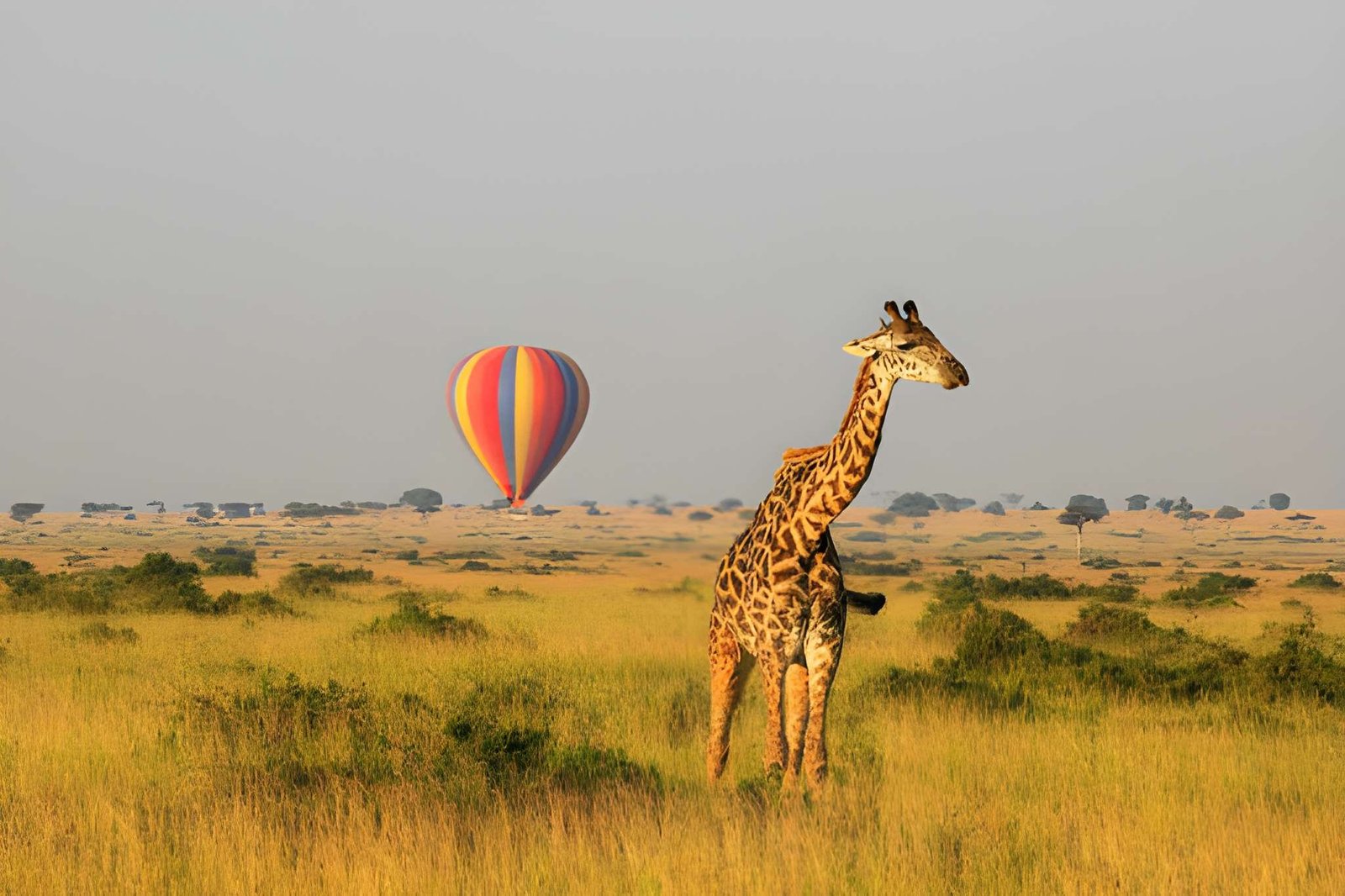
Kenya · 7 days
Amboseli · Lake Naivasha · Masai Mara
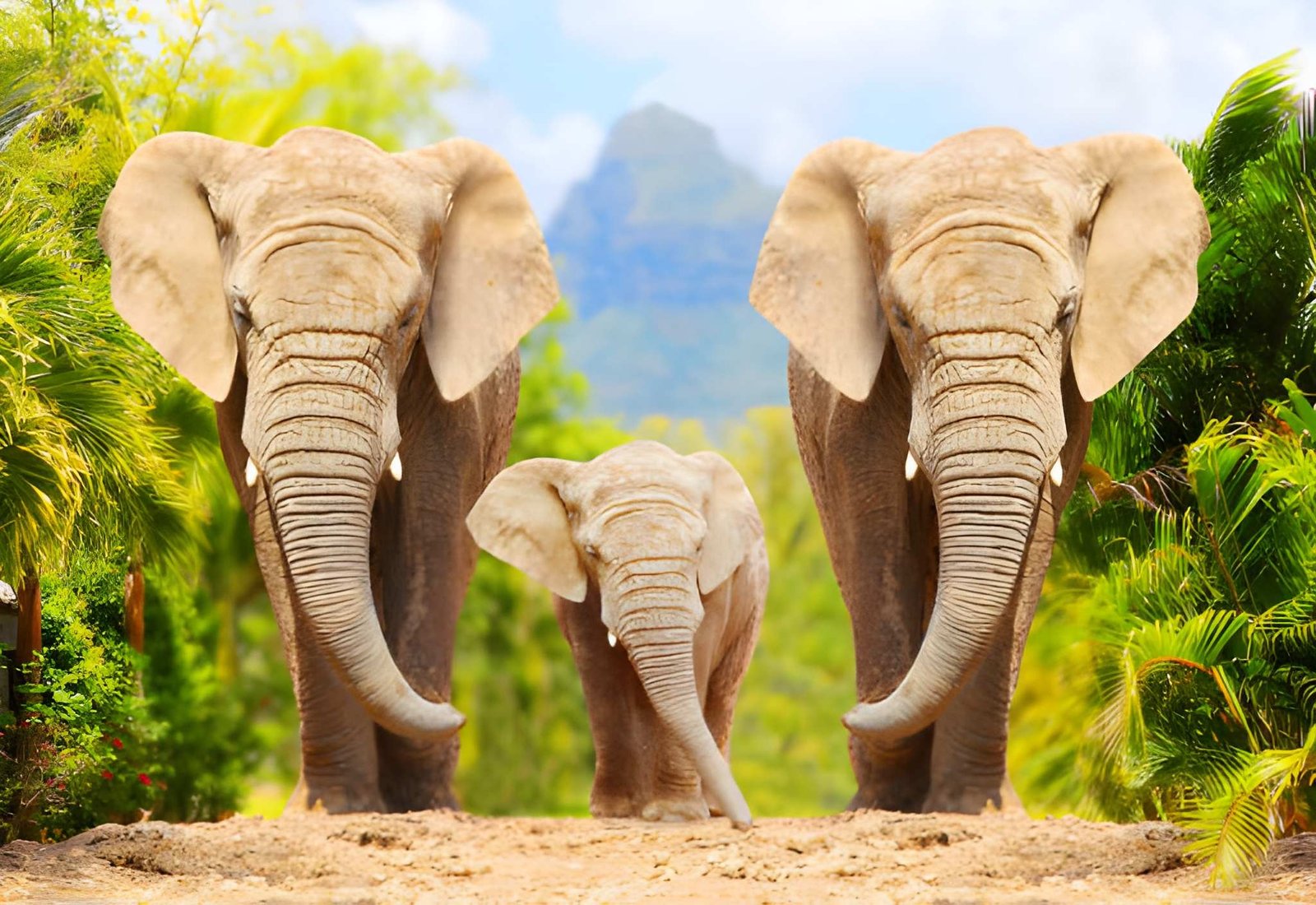
Kenya · 8 days
Amboseli · Lake Naivasha · Masai Mara
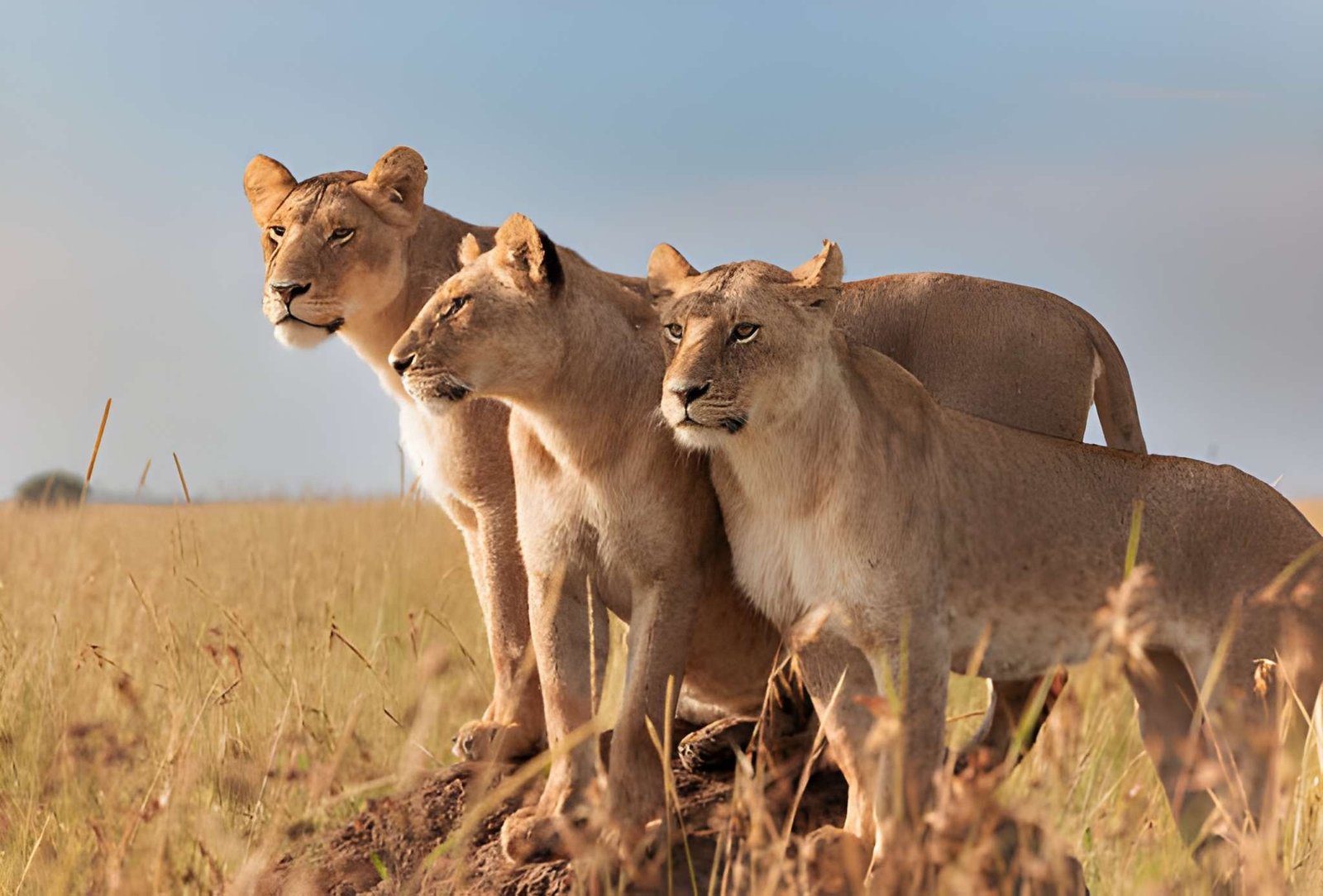
Kenya · 10 days
Samburu National Reserve · Ol Pejeta Conservancy · Lake Nakuru · Masai Mara
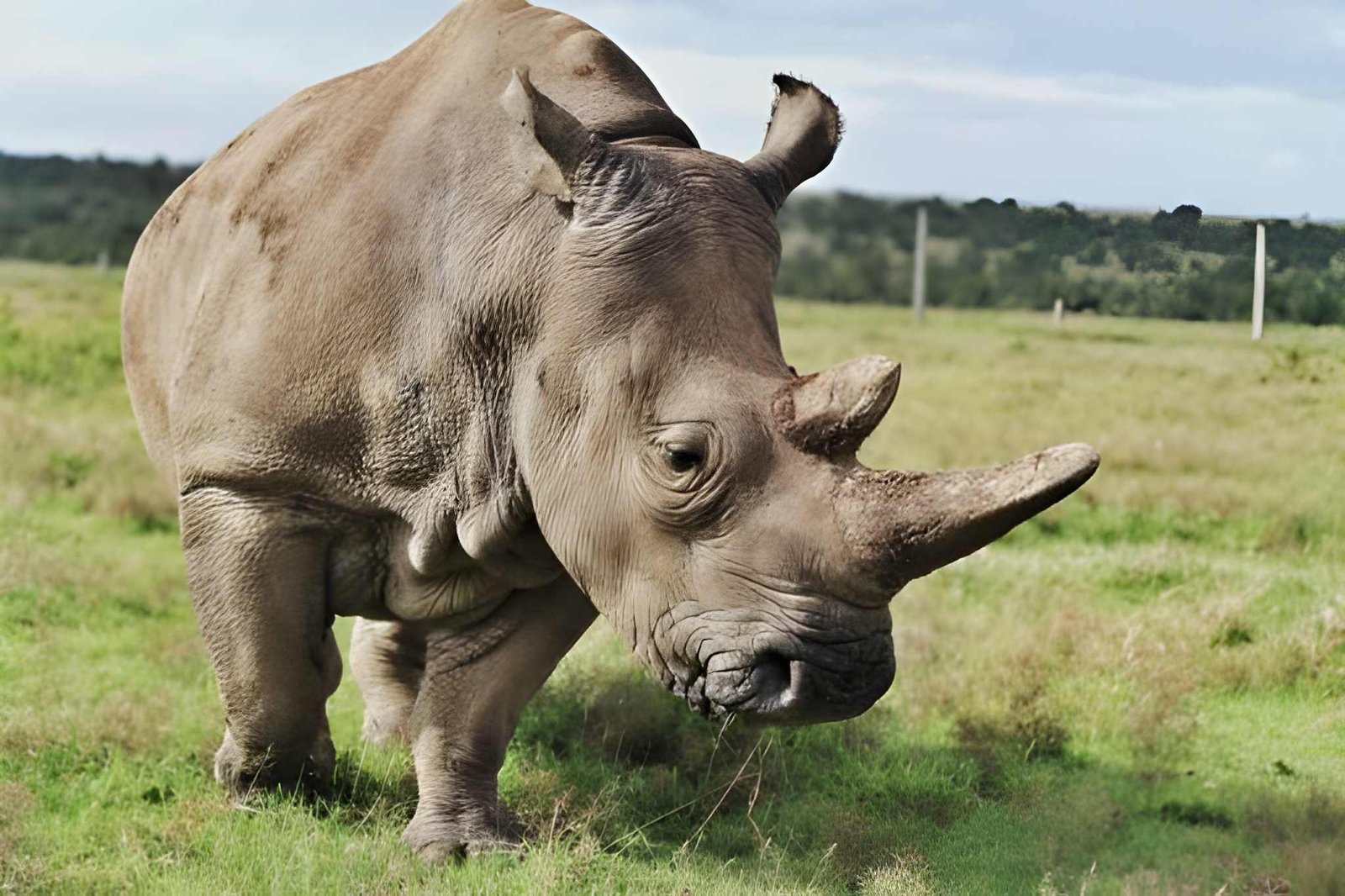
Kenya · 11 days
Aberdare · Ol Pejeta Conservancy · Lake Nakuru · Masai Mara
Kenya · 12 days
Ol Pejeta Conservancy · Lake Nakuru · Masai Mara · Lake Naivasha
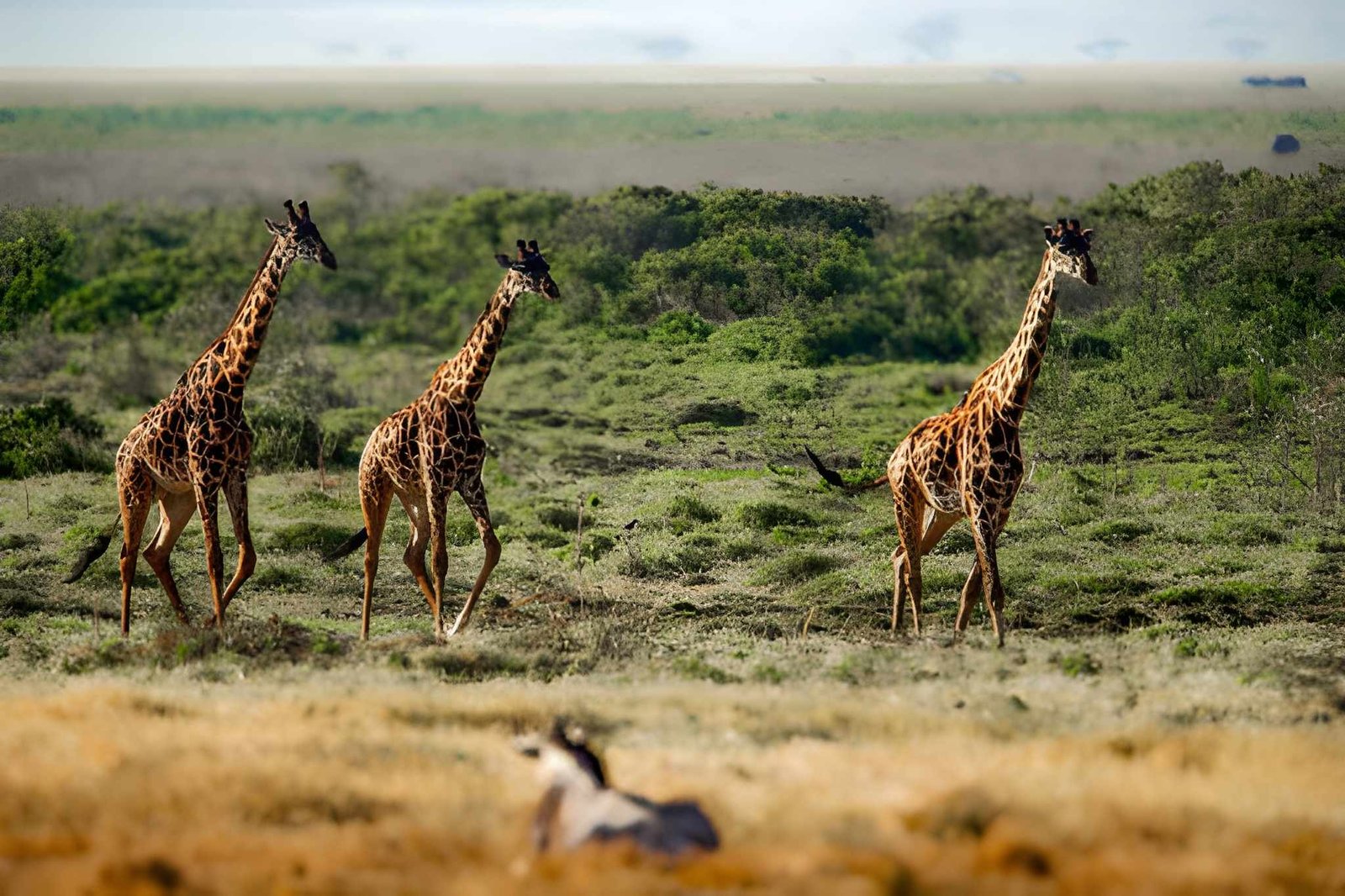
Kenya · 15 days
Samburu National Reserve · Ol Pejeta Conservancy · Lake Nakuru · Lake Naivasha
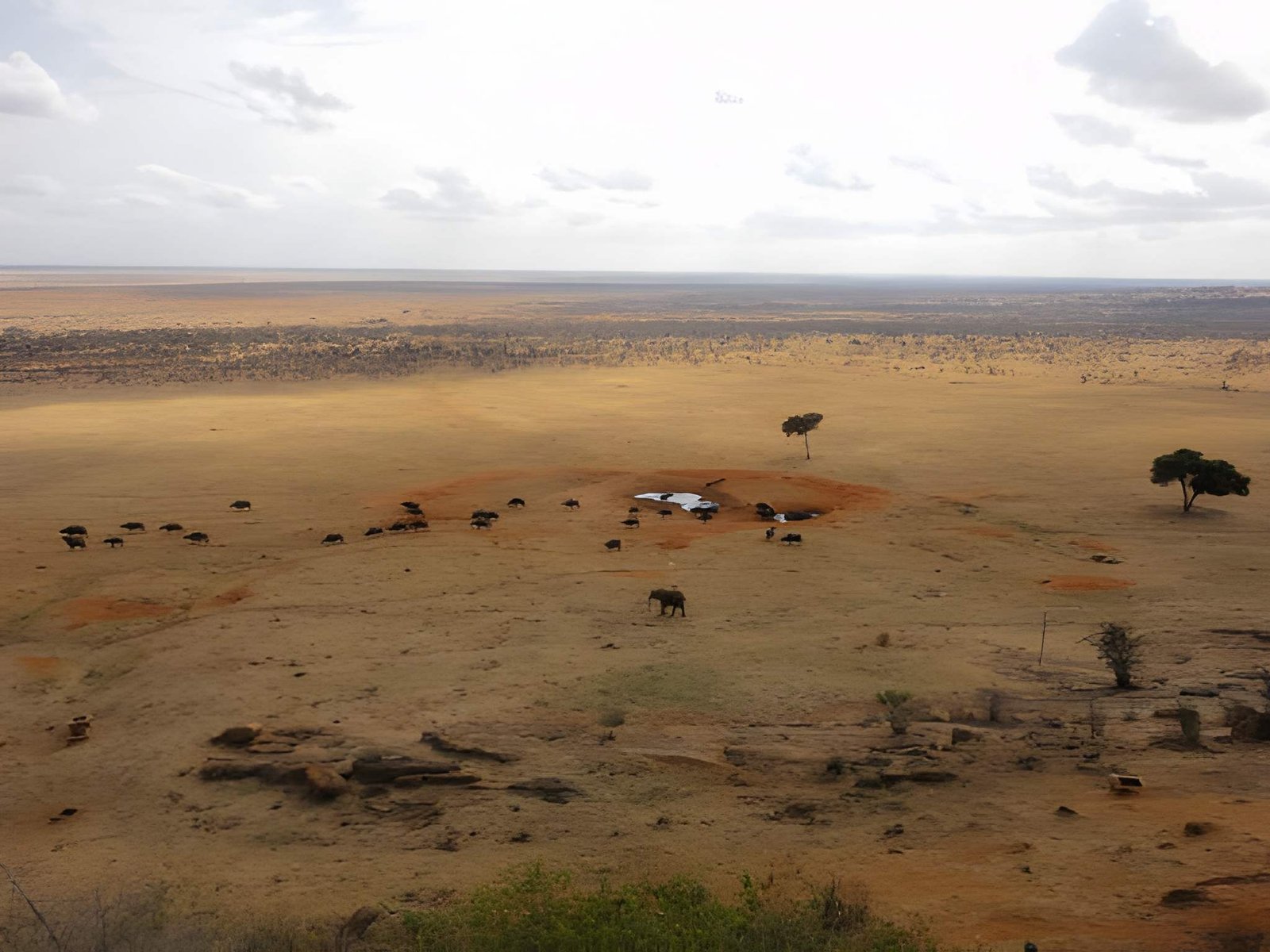
Tanzania & Kenya · 17 days
Lake Naivasha · Lake Nakuru · Masai Mara · Amboseli
Tell us how long you have and what you would love to see. A GIP Adventure specialist will help you combine Lake Naivasha with Lake Nakuru, the Masai Mara and the rest of Kenya, or with a Tanzania safari from Arusha.
Usually replies within minutesHeritage
The Maasai grazed their cattle around this lake long before it appeared on any map, and its name, from Nai'posha, the rough water, is a reminder of the sudden storms they knew so well. In the colonial era the fertile, well-watered shores attracted settlers and, later, writers and filmmakers: Joy Adamson lived at Elsamere, and the lake's landscapes have appeared in classic films about Kenya.
Today Lake Naivasha is a Ramsar-listed wetland of international importance. Its freshwater supports fisheries, farms and a major flower-growing industry, which puts pressure on water levels and quality. Conservation groups, local communities and private sanctuaries work together to protect the lake, its riparian land and the wildlife that depends on it.
Lake Naivasha itself is a protected freshwater wetland surrounded by private sanctuaries and conservancies, rather than a single fenced park. Hell's Gate and Mount Longonot national parks lie close by.
About 95 km, or roughly 1.5 to 2 hours by road, making it one of the easiest Rift Valley destinations to reach from the capital.
Yes. Crescent Island is famous for walking safaris among giraffes, zebras, wildebeest and waterbuck, accompanied by a guide.
No. The lake is home to hippos and swimming is not advised. Enjoy the water from a guided boat instead.
Hippos, African fish eagles, pelicans, cormorants, kingfishers, herons and many other water birds, plus wonderful views of the Rift Valley.
One night is enough for a boat trip and Crescent Island walk; two nights allow time for Mount Longonot, Hell's Gate or a horseback ride.
Yes. Naivasha is an ideal overnight stop on the road between Nairobi and the Masai Mara, and pairs well with Lake Nakuru.
Your safari starts here
Let GIP Adventure plan a Rift Valley journey that brings you face to face with Naivasha's hippos, giraffes and fish eagles.
Chat with usOnline