
Famous Tree Lodges
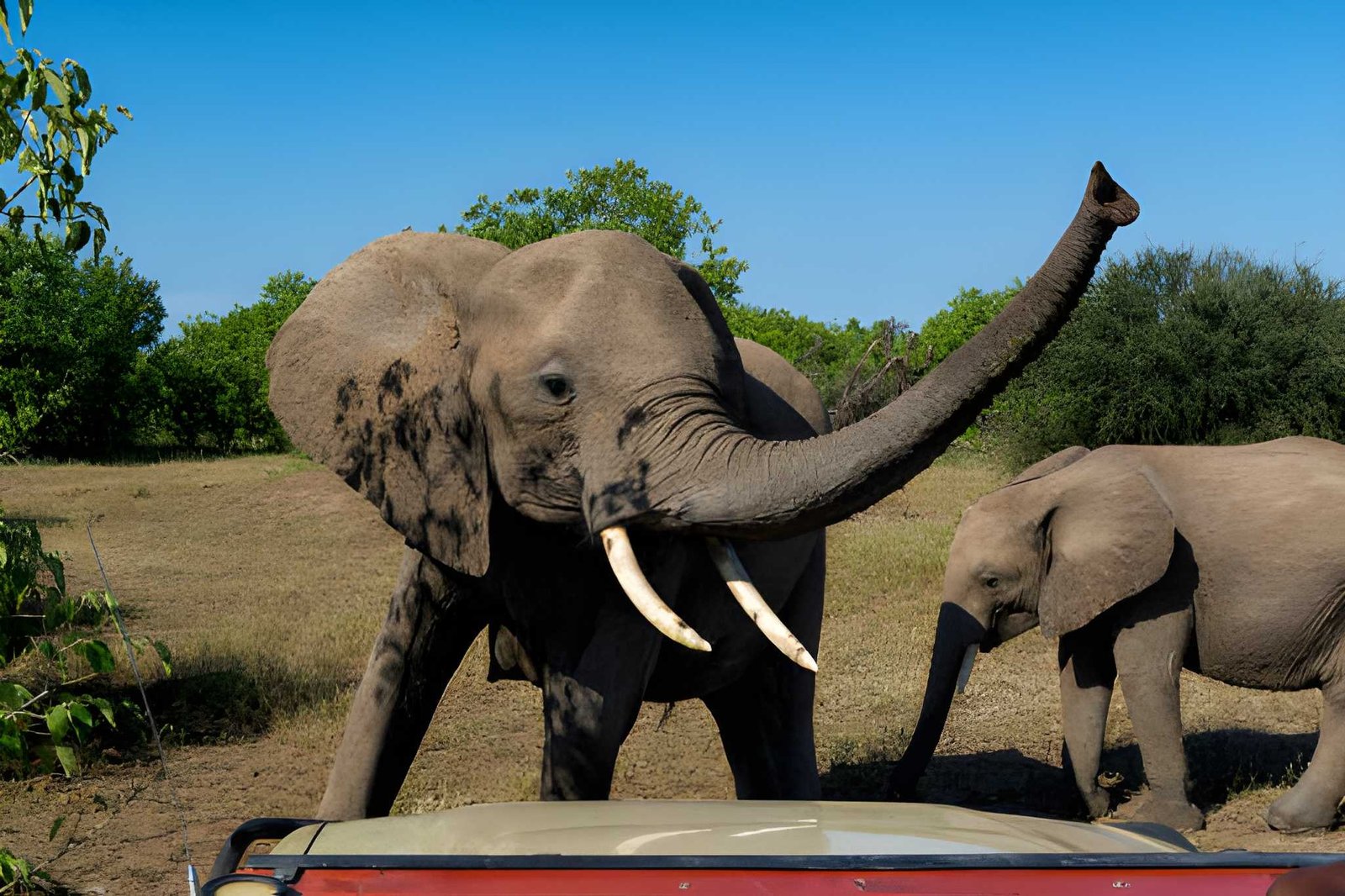
Spend a night at a lodge built above a floodlit waterhole and watch elephants, buffalo and other animals come to drink after dark.

Climbing Kilimanjaro
The complete guideRoutes & fitness calculatorWhat to packOur climbs
6-Day Kilimanjaro: Marangu Route7-Day Kilimanjaro: Machame Route6-Day Kilimanjaro: Umbwe Route7-Day Kilimanjaro: Rongai Route7-Day Kilimanjaro: Shira Plateau / Morrum Barrier Route9-Day Kilimanjaro: Lemosho Route4-Day Mount Meru Trek5-Day Ol Doinyo Lengai & Lake Natron Trek10-Day Kilimanjaro Trekking & Wildlife Safari11-Day Kilimanjaro Trekking & Wildlife SafariTour styles
Big 5 Safaris (7)Great Migration Safaris (6)Classic Wildlife Safaris (32)Wildlife-Themed Safaris (8)Fly-in & Luxury Safaris (8)Honeymoon Safaris (6)Mountain Trekking (10)Beach & Zanzibar Holidays (9)Gorilla & Primate Safaris (19)Multi-Country & Combination Safaris (9)Helicopter Safaris (5)Cultural Tours (2)Day Trips (10)Family SafarisCity Tours & Airport TransfersTailor-Made / Custom TripsPlan
All toursTanzania safari guidePlan a custom tripTanzania
All of TanzaniaNational ParksGame ReservesIslandsHistorical SitesMountains & VolcanoesLakes & WaterfallsCities & CoastKenya
All of KenyaNational ParksReserves & ConservanciesMountains & CoastCitiesUganda
All of UgandaNational ParksWildlife ReservesLakes & WaterfallsCities & GatewaysMore
Cultural experiencesLodges & campsAll destinationsKenya National Parks
Mist drifting through bamboo forest, waterfalls plunging into deep ravines and elephants arriving at a floodlit waterhole after dark: the Aberdares are Kenya's enchanted highlands.
Discover the Aberdares
Covering an area of about 767 km², Aberdare National Park is a magical highland park in central Kenya, lying along the Aberdare Range to the east of the Great Rift Valley. It holds a sheer wealth of attractions, including scenic deep ravines, sparkling rivers, spectacular waterfalls and cultural and historical sites.
The park's vegetation is a thrilling mosaic of different ecosystems, from thick montane forest and bamboo forest to open moorland dotted with giant heathers and rhododendrons. This wide range of habitats supports an array of wildlife species such as elephants, buffalo, giraffes, baboons, colobus monkeys, lions and leopards, as well as rare forest dwellers like the bongo and the golden cat. Birdlife is found in abundance, with more than 250 species recorded.
The Aberdares are also rich in history. You may catch a glimpse of a very large, ancient fig tree that carries a wealth of history, best narrated by local people born and raised in the region, and visit the hideouts of the Mau Mau leader Dedan Kimathi. The fig tree and the Kikuyu community together offer a unique blend of nature and cultural experiences.
Why the Aberdares
The Aberdares add mountain scenery, forest wildlife and a touch of history to any Kenya safari.
Spend a night at a lodge built above a floodlit waterhole and watch elephants, buffalo and other animals come to drink after dark.
The park is laced with waterfalls, including the Karuru, Gura and Chania falls, some plunging hundreds of metres into forested gorges.
The Aberdares are home to elusive species such as the bongo, giant forest hog and golden cat, as well as black-and-white colobus.
Visit sites linked to Kenya's independence struggle, including the hideouts of Dedan Kimathi and the famous fig tree used by fighters.
High moorland of giant heather and tussock grass offers sweeping views and a completely different side of Kenya.
More than 250 bird species and cool highland trails make the park a rewarding stop for birders and walkers.
Location
Aberdare National Park lies in central Kenya, on the high Aberdare Range between the town of Nyeri to the east and the Rift Valley to the west. It is about 160 km north of Nairobi, a drive of around 3 hours, with the main eastern gates close to Nyeri. Ol Pejeta Conservancy, Mount Kenya and Samburu are all within easy reach, and Lake Nakuru and Lake Naivasha lie to the west.
Travellers from Tanzania usually cross at the Namanga border and continue through Nairobi (Arusha to Nairobi is about 270 km, 5 to 6 hours), spending a night in the capital before heading north. Charter flights can also reach nearby airstrips, including Nyeri.
When to visit
High altitude means cool weather and frequent rain all year. The drier months are best for driving and walking.
Cooler, drier conditions make forest tracks easier to drive, and wildlife visits the waterholes at the tree lodges regularly.
Showers return and some higher roads may become slippery, but the forest is lush and waterfalls flow strongly.
Generally drier and bright, with good visibility over the moorland and pleasant walking conditions.
The wettest time; some high-altitude tracks can close, though the forest and waterfalls are at their most dramatic.
Rain can fall at any time in these highlands, so choosing a drier month makes forest drives and walks much easier.
Bright and relatively dry, a good month for moorland drives and waterfall views.
Usually dry and clear, with excellent visibility across the range.
Rains begin to build, bringing mist to the forest and fuller rivers.
Often the wettest month, with some high tracks difficult or closed.
Rains continue and the forest is lush, with powerful waterfalls.
Drier and cooler, with good nights at the tree lodges' waterholes.
Cool and dry, ideal for combining with Mount Kenya, Ol Pejeta and Samburu.
Dry conditions and regular animal visits to the waterholes after dark.
A good month for forest drives, walks and birding before the short rains.
Short rains start, bringing mist and green growth to the slopes.
Wet and atmospheric, with strong-flowing waterfalls.
Drier weather returns, with clear mornings on the moorland.
Explore the area
From the forested Salient to the high moorland, the park rises through several distinct zones.
Wildlife
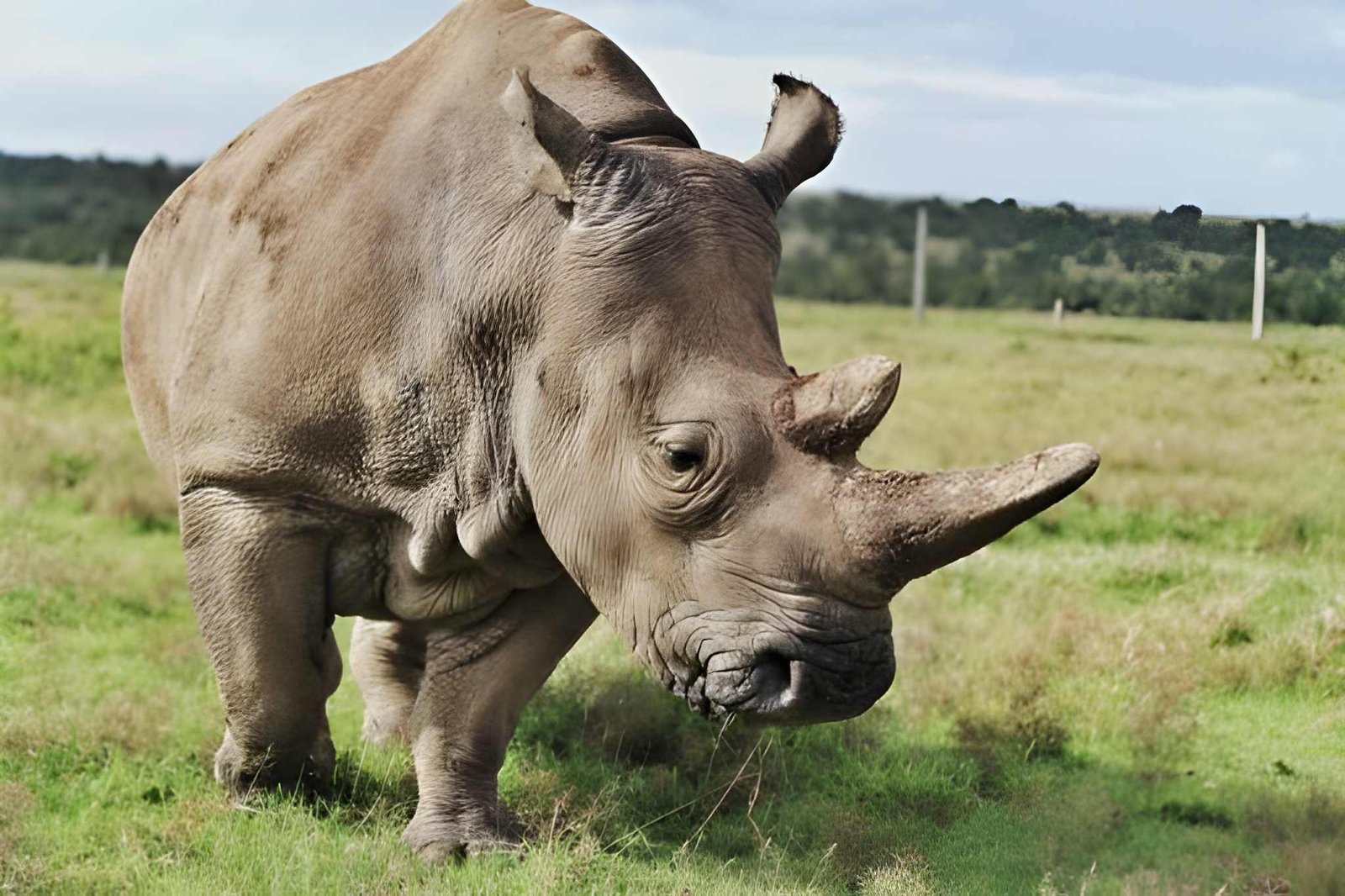
The Aberdares support an array of wildlife species across their forests and moorlands. Elephants, buffalo, giraffes, baboons, black-and-white colobus, lions and leopards are all present, along with black rhinos in the Salient. The forests hide rare and elusive species such as the bongo, giant forest hog, golden cat and serval, while melanistic servals and leopards have been reported on the moorland.
Birdlife is found in abundance, with more than 250 species recorded, including the Jackson's francolin, sunbirds feeding on moorland flowers and the crowned eagle of the forests. Much of the best viewing happens after dark at the floodlit waterholes of the tree lodges.
Where to look: The Salient and forest waterholes
Regular visitors to the floodlit waterholes at night.
Where to look: Forest glades and waterholes
Common in the Salient and around the tree lodges.
Where to look: The Salient
Present but shy and rarely seen in the dense forest.
Where to look: Forest and moorland
Present across the park and sometimes seen at waterholes.
Where to look: Lower forest and glades
Present but not often seen in the thick vegetation.
Where to look: Dense montane and bamboo forest
A rare, beautifully striped forest antelope, sighted only with great luck.
Where to look: Forest edges and glades
The world's largest wild pig, sometimes seen at waterholes.
Where to look: Montane forest
Commonly seen leaping through the canopy with flowing white mantles.
Where to look: Forest edges and roadsides
Troops are frequently seen along the park roads.
Where to look: Lower Salient
Seen in the lower, more open parts of the park.
Where to look: Deep forest
One of Africa's most elusive cats, recorded in the Aberdare forests.
Where to look: Moorland and forest edges
A highland gamebird endemic to Kenya's central highlands.

A Night in a Tree Lodge
The Aberdares are famous for their tree lodges, built above floodlit waterholes deep in the forest. As darkness falls, elephants, buffalo, bushbuck and sometimes leopards or rhinos emerge from the trees to drink and lick salt, while you watch from viewing decks and hides.
It was at one of these lodges, Treetops, that Princess Elizabeth learned in 1952 that she had become Queen. An overnight stay remains one of the most atmospheric and memorable experiences in Kenya.
Safaris to 中文
Itineraries that include Aberdare National Park, often combined with Ol Pejeta, Mount Kenya, Samburu and Lake Nakuru.
Kenya · 9 days
Aberdare · Ol Pejeta Conservancy · Lake Nakuru · Masai Mara
Kenya · 11 days
Aberdare · Ol Pejeta Conservancy · Lake Nakuru · Masai Mara
Stay in 中文
Choose a classic tree lodge overlooking a waterhole, or a country hotel near Nyeri as your base.

Tell us how long you have and what you would love to see. A GIP Adventure specialist will help you add the Aberdares to a Kenya safari with Mount Kenya, Ol Pejeta and Samburu.
Usually replies within minutesHeritage
The Aberdare Range has long been important to the Kikuyu people, whose farms climb its fertile lower slopes and whose traditions are tied to the mountains. During the Mau Mau uprising of the 1950s, the dense forests sheltered freedom fighters, and the leader Dedan Kimathi used the area as a base. A large old fig tree near Nyeri served as a secret message point for the fighters and is remembered as part of Kenya's road to independence.
The park was established in 1950 to protect the high forests and moorland, which are also a vital water catchment for central Kenya and Nairobi. A long electric fence was later built around the range to reduce conflict between wildlife and farming communities, and it has helped protect both the forests and the people who live alongside them.
A lodge built above a floodlit waterhole in the forest, where you can watch animals come to drink at night from viewing decks.
About 160 km, or roughly 3 hours by road, with the main gates close to Nyeri.
Elephants, buffalo, colobus monkeys, baboons, giant forest hogs and with luck leopards, black rhinos or the rare bongo.
Nights can be cold, especially on the moorland. Pack warm layers and a waterproof jacket at any time of year.
One night at a tree lodge is the classic experience; add a full day to explore the moorland and waterfalls.
Yes. Cultural and historical tours visit sites linked to Dedan Kimathi and the fig tree, guided by members of the local Kikuyu community.
Wildlife viewing drives, bird watching, cultural and historical tours and guided nature walks.
Your safari starts here
Let GIP Adventure plan a highland escape among the Aberdares' forests, waterfalls and floodlit waterholes.
Chat with usOnline